-

Short Chain Hero
Reading Time: 4 minutesIt’s grey and rainy days like this November in Berlin that make you very aware of your immune system and how it works, perhaps not always successfully, to fends off all kinds of pathogens. Plants are in a similar situation, their immune response has to constantly be ready to fight off fungi,…
-
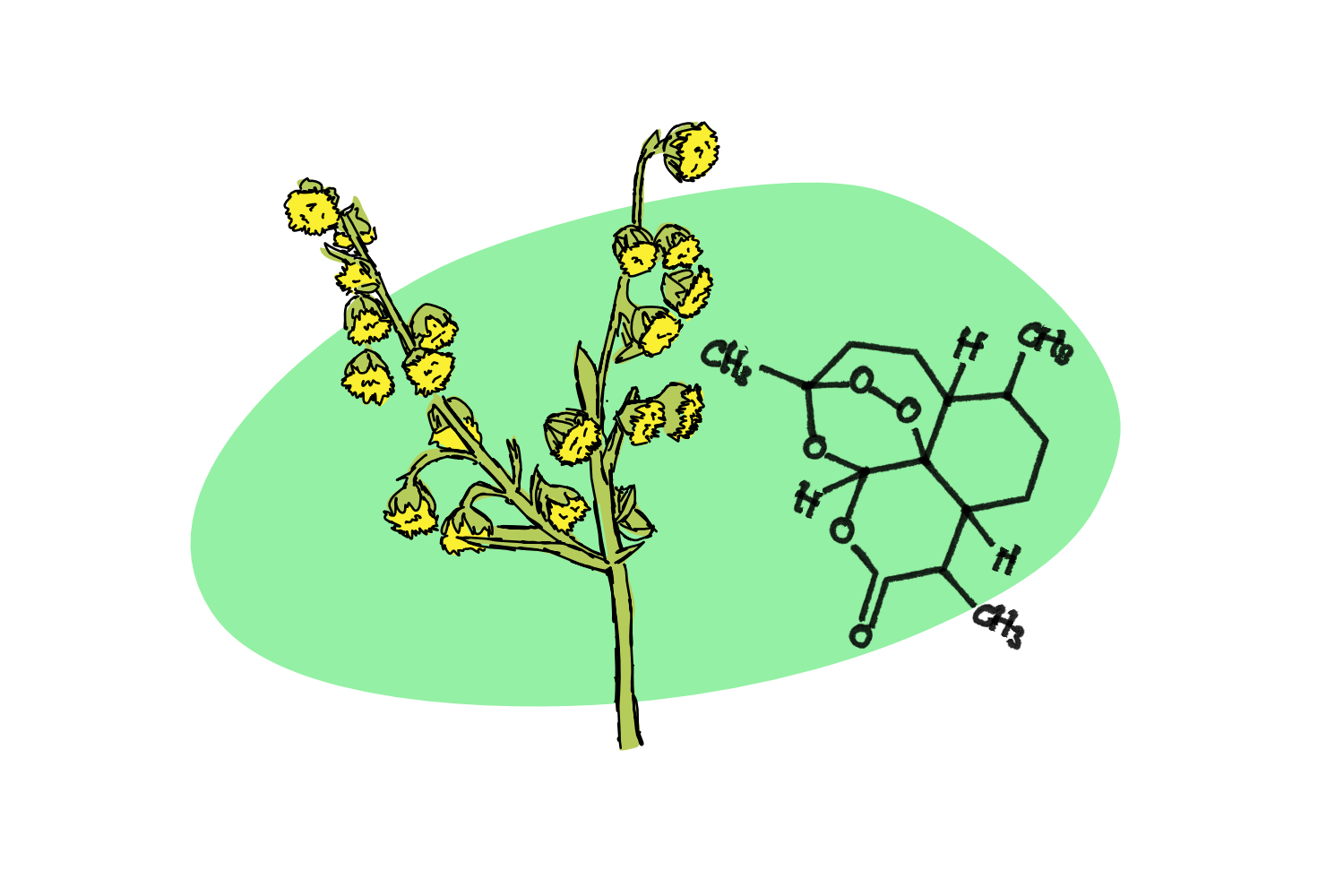
Healing Herbs II – Artemisinin
Reading Time: 4 minutesMalaria is a mosquito-borne infectious disease that affects hundreds of millions of people each year, and kills over 500,000. Worldwide, the chosen treatment for malaria is artemisinin combination therapy (ACT), a medicine that relies on the drug artemisinin that happens to come from a plant…
-
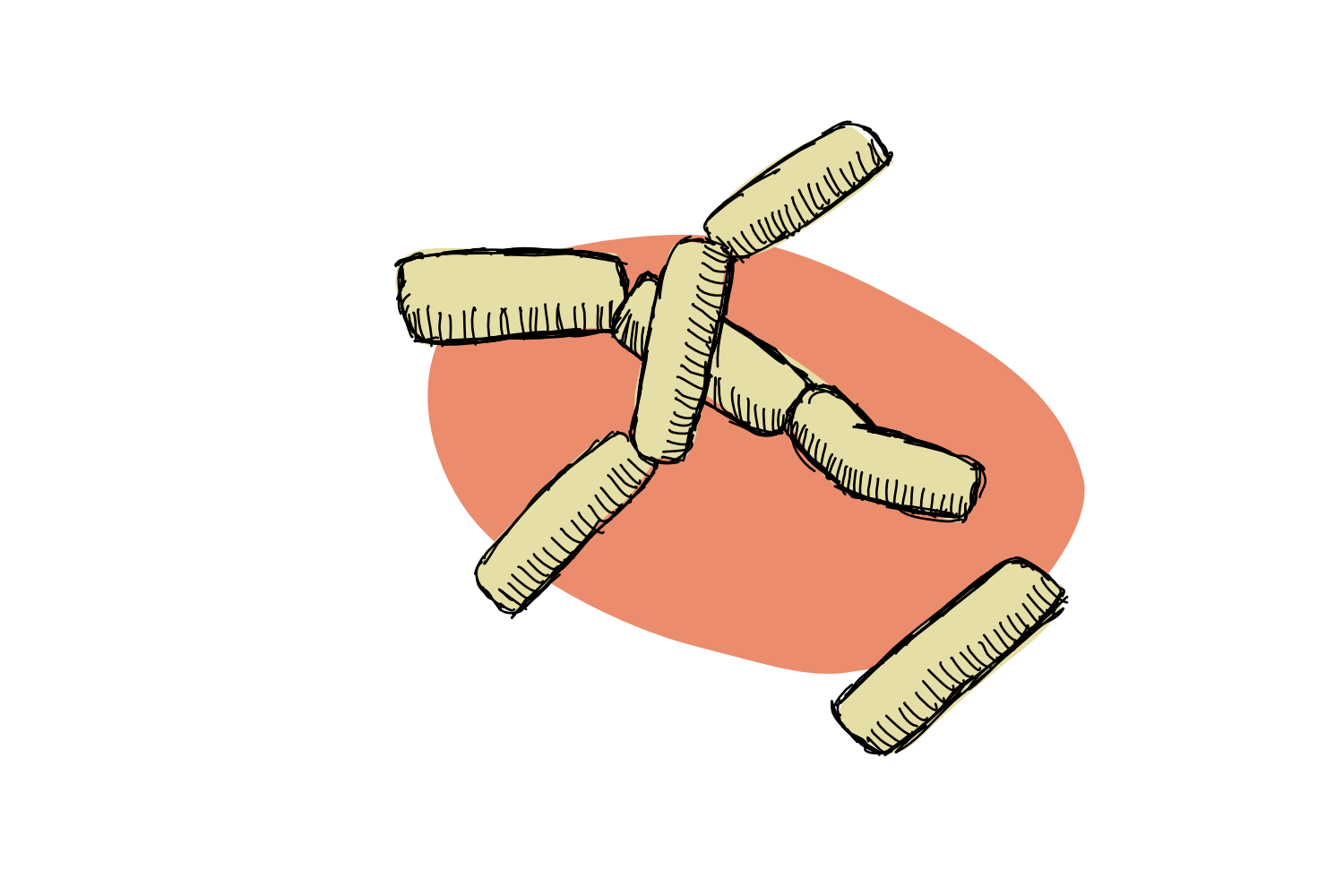
Bacteriocins waging war in the Bacteria Battlegrounds
Reading Time: 5 minutesPseudomonas syringae is a gram-negative bacteria that can have a devastating effect on a range of crops. From tomatoes, to beans, to tobacco, to kiwifruit – P syringae can destroy them all (or at least heavily maim them, resulting in crop losses). So what’s the answer? Recent research suggests that bacteriocins might…
-
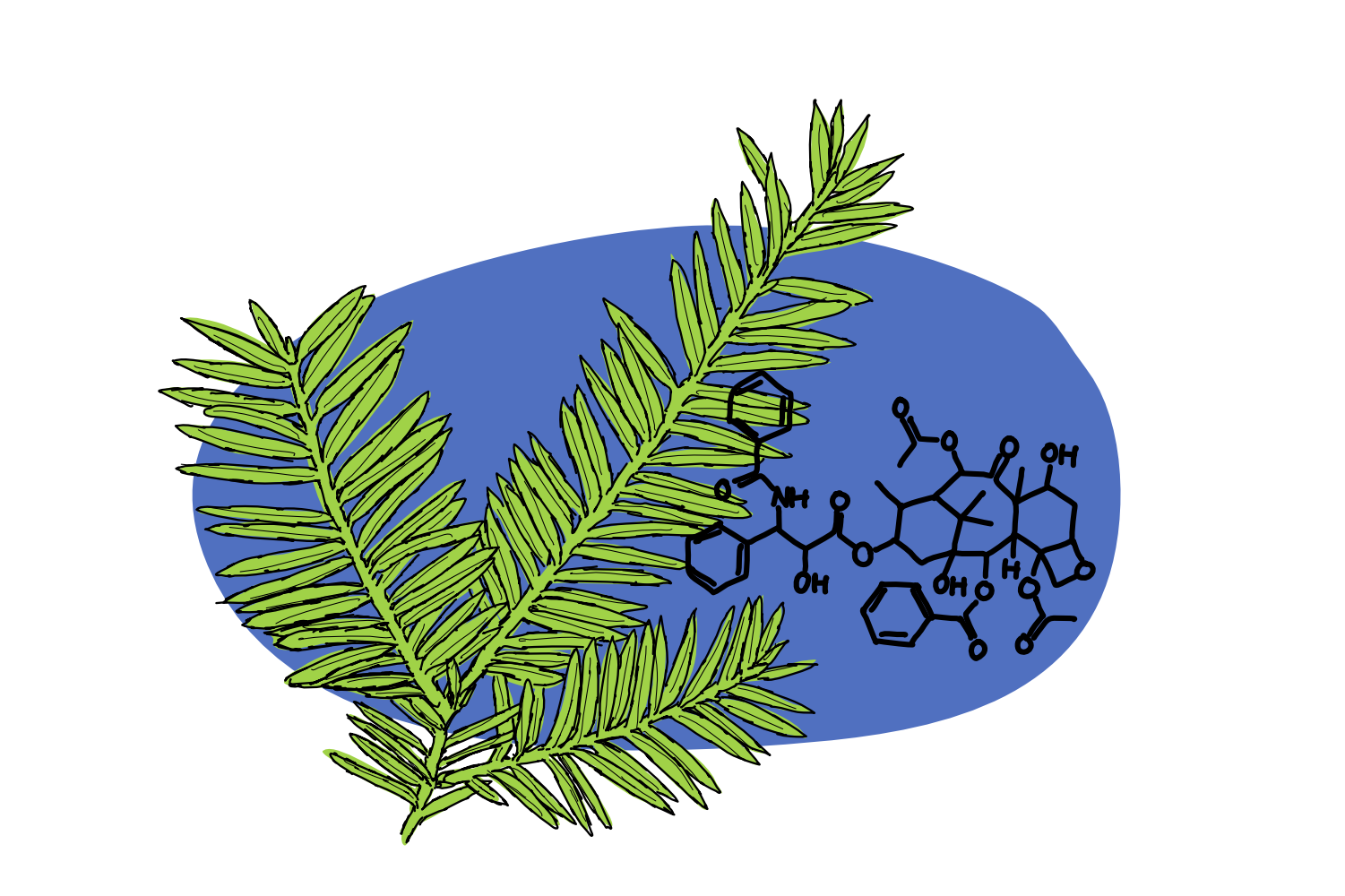
Healing Herbs I – Paclitaxel
Reading Time: 4 minutesWe’ve sung their praises before, and we’ll do it again: plants make the oxygen we breathe, the food we eat, the fibres that form our clothing, our fuel, and our shelters. Plus they’re just so darn pretty. But one of the things we mention perhaps less often, is that these glorious greens…
-
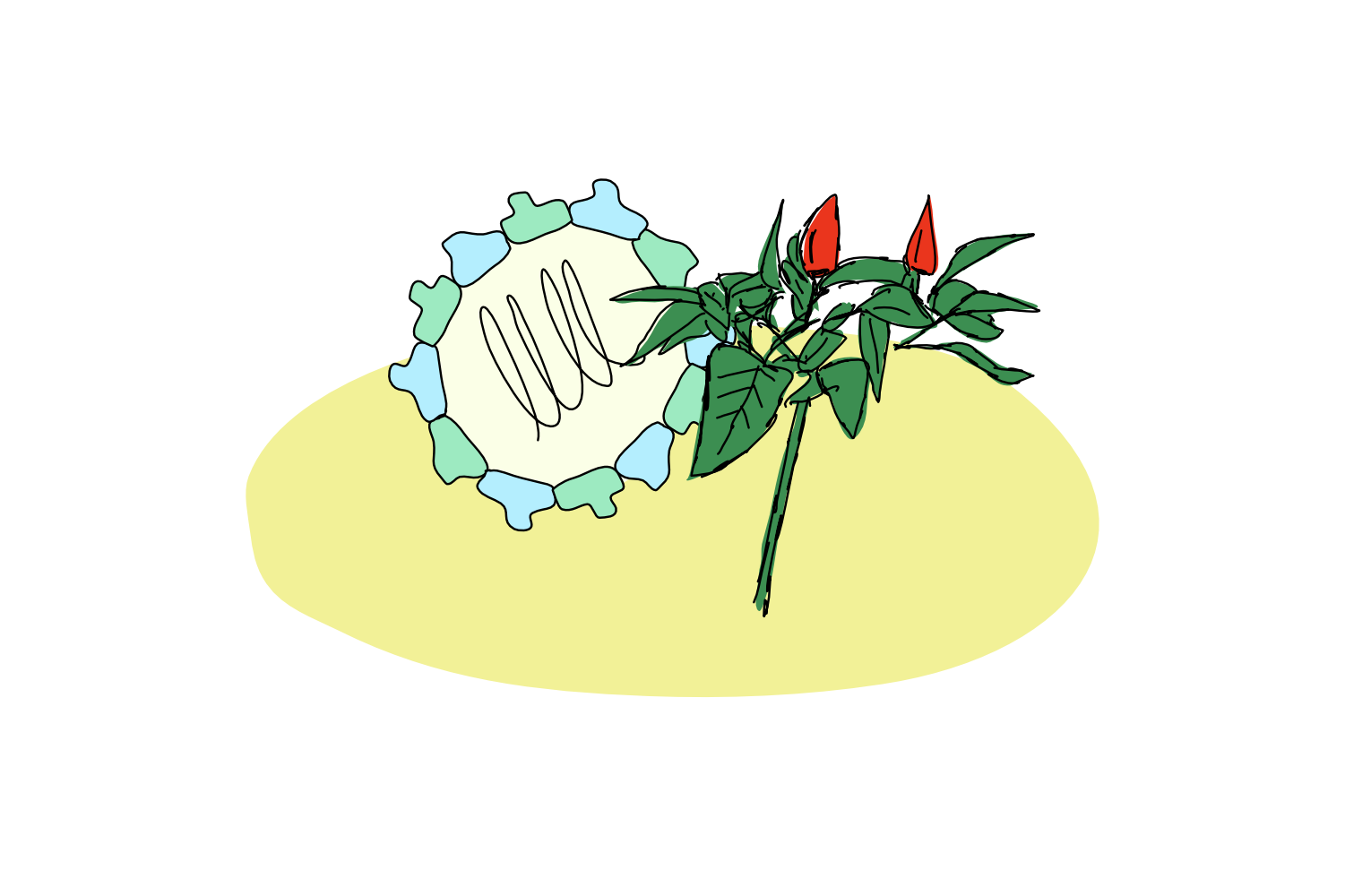
Taming a Virus
Reading Time: 3 minutesYou’ve all seen the news on CRISPR. The fantastic new technology that seems to get more impressive each day, and which by now seems capable of answering almost any biological question we can ask. But CRISPR technology, and the things we can do with it, is only useful if we can actually…
-
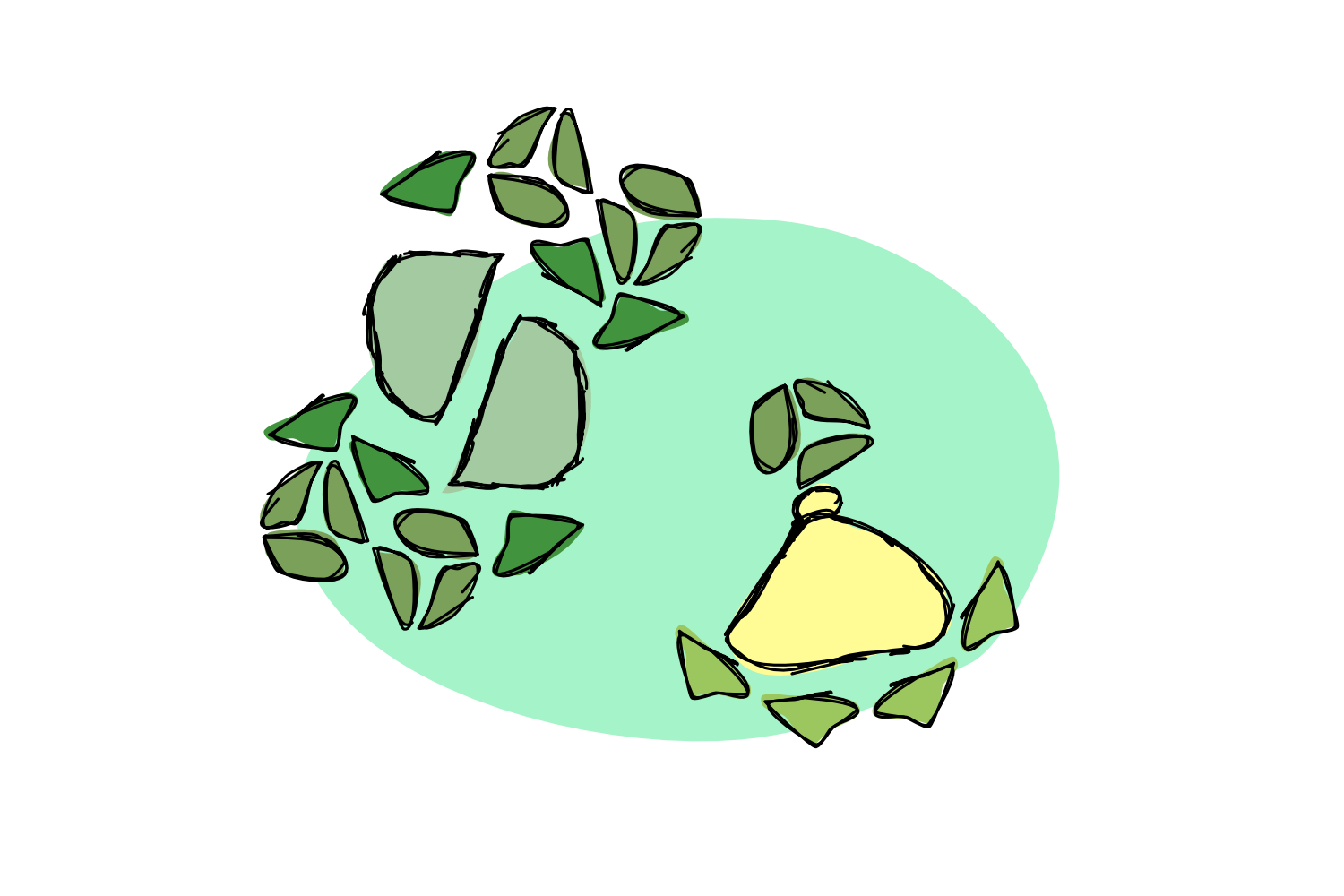
Adjusting Antennas
Reading Time: 4 minutesNatural light is a challenge for plants. It’s far from constant and it changes not only in intensity but also in quality, shifting between blue-ish and red-ish hues, depending on the time of the day. Here’s a tale of how plants rise to the challenge of change, by fine-tuning their light collectors…
-
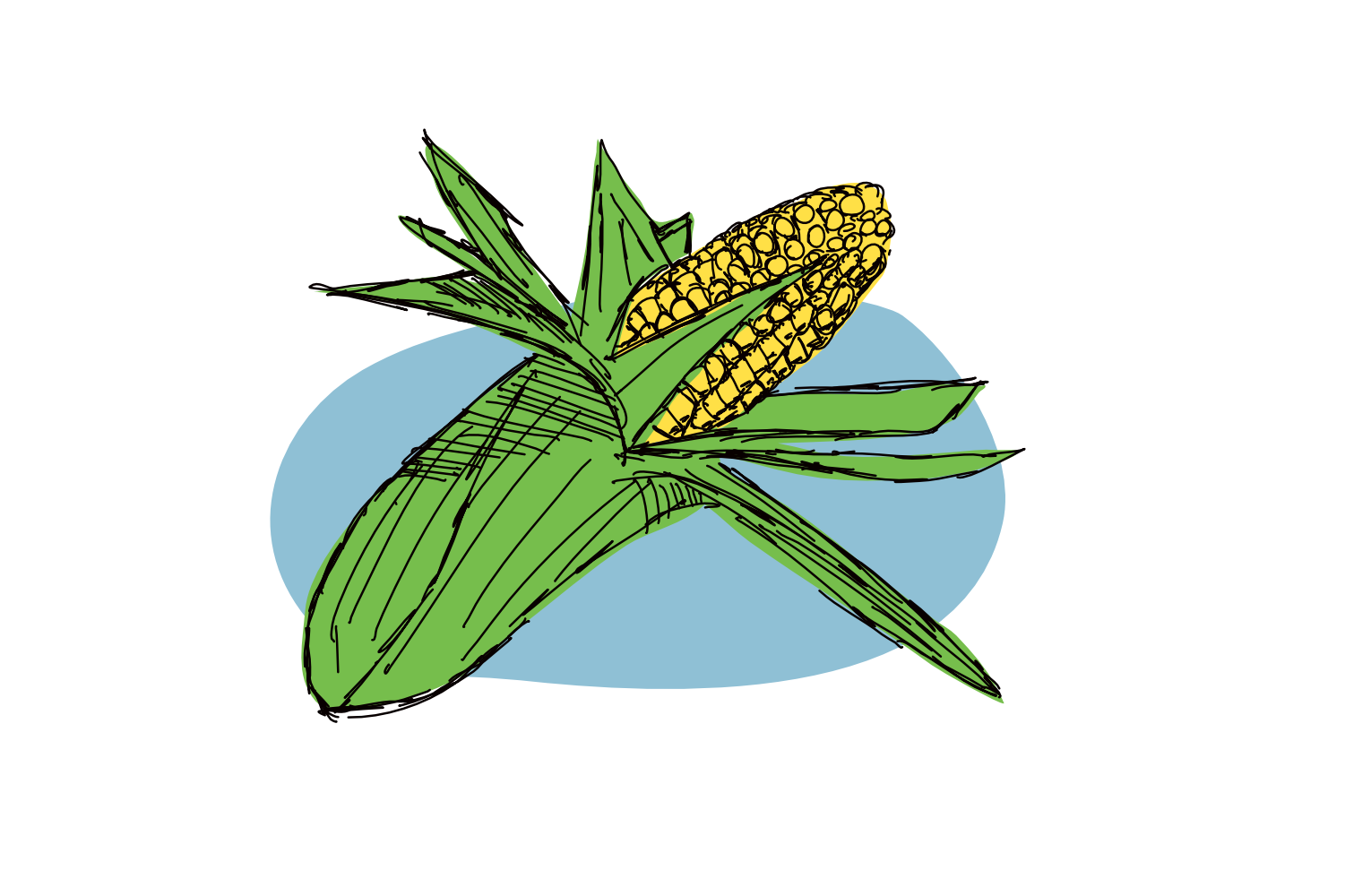
Room for biodiversity
Reading Time: 4 minutesHeading into the future, we have to solve some extremely complex problems. Take agriculture for example: we want to feed an ever increasing population, protect the local environment, reduce carbon emissions and have a sustainable long-term production pipeline. Today, we’re looking at one of these problems and discussing potential solutions.
-
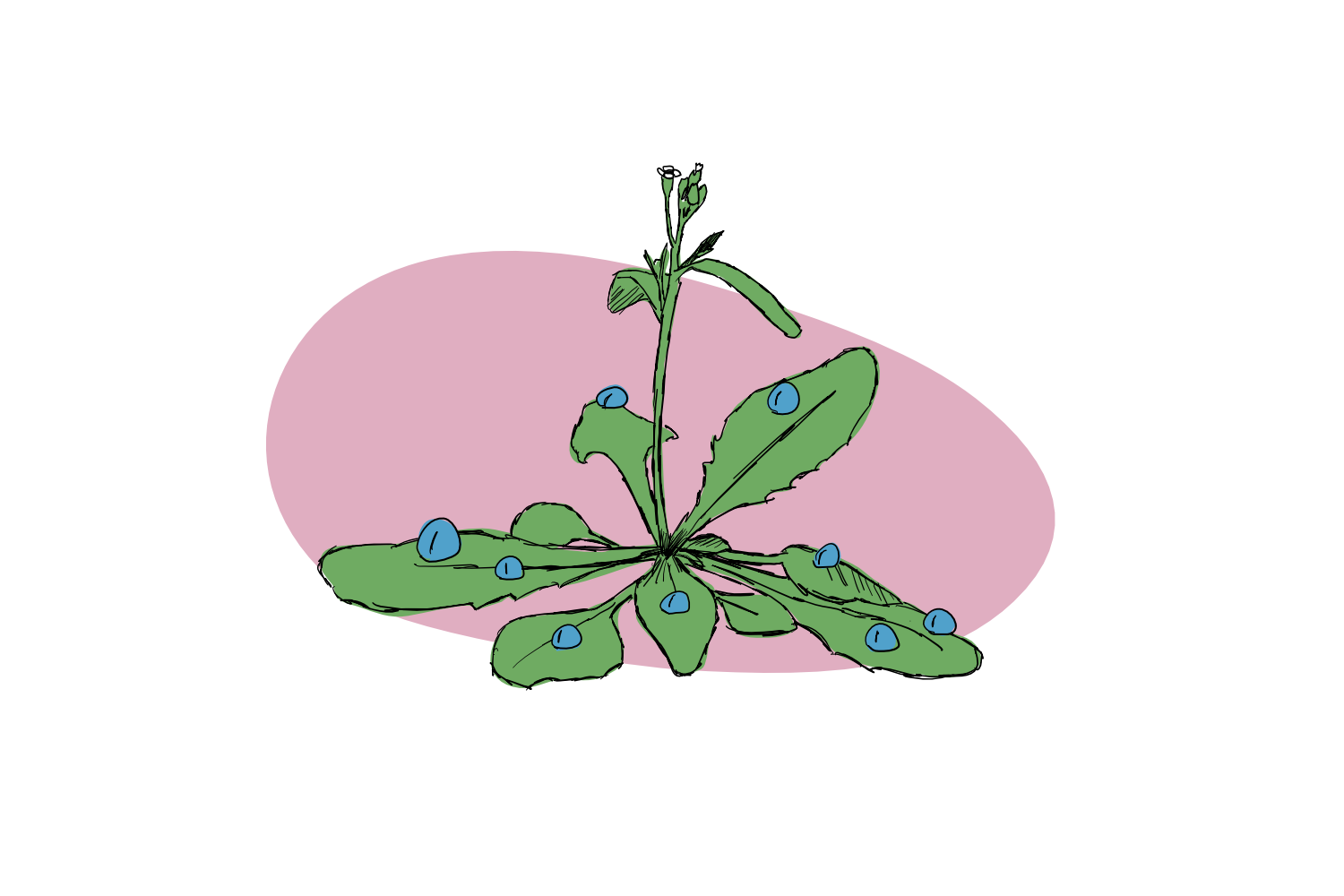
Raindrops keep falling on my leaf 😢
Reading Time: 3 minutesThe outside world can be harsh – and I’m not only saying that because I am sitting at home with a cold, looking at the dull grey sky through the window. Too much of any of the elements- wind, rain, cold, heat- can cause us all stress. And they can stress plants,…
-
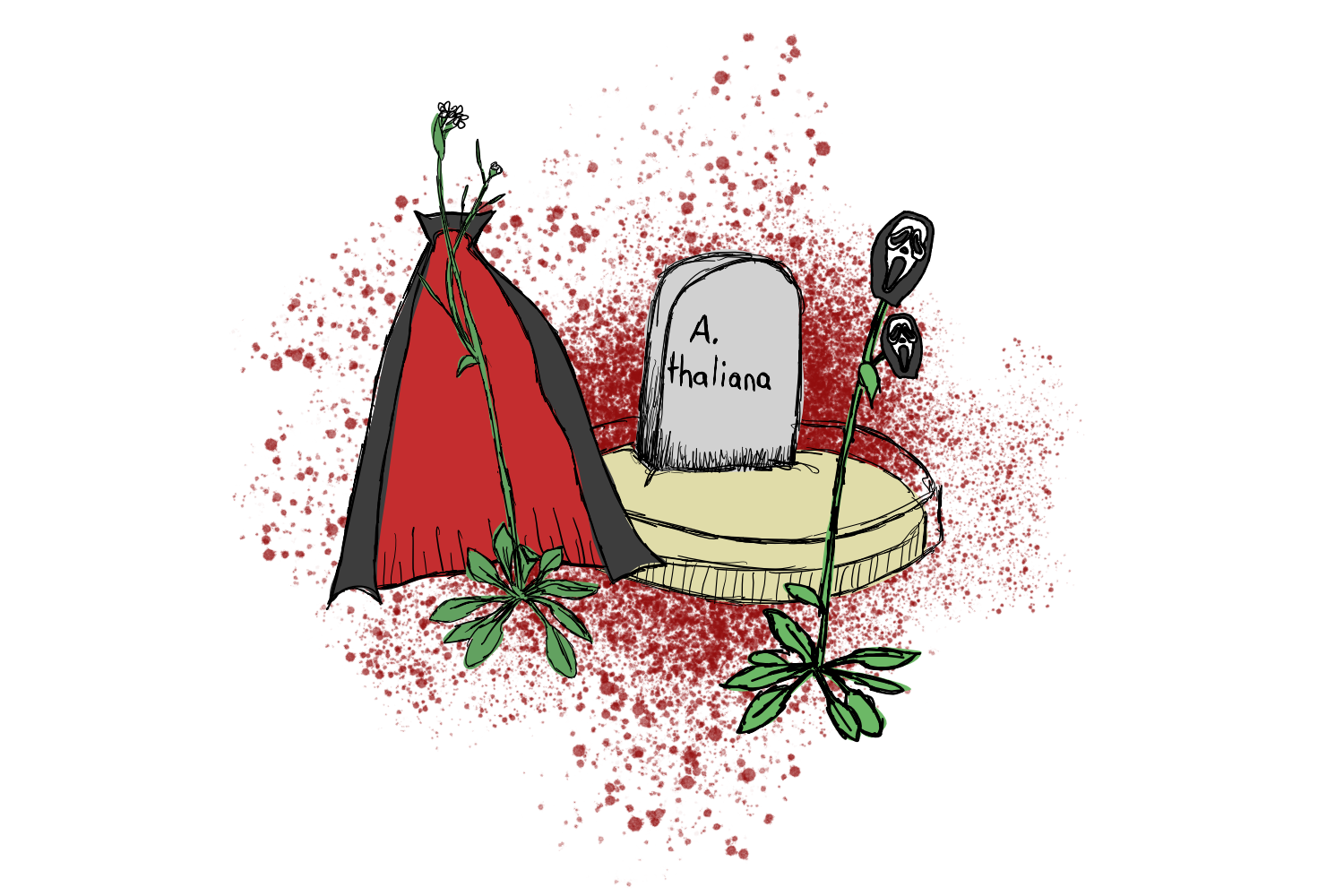
The Spooookiest Plant Genes
Reading Time: 3 minutesWelcome to the Spooky Season! Earlier in the week we shared a list of the scariest plants, including some that are dangerous, some that are deadly, and some that just have really cool names and backstories. Today, we’re talking about our favourite plant genes, proteins and mutants with sufficiently spooooky names. Let…
-
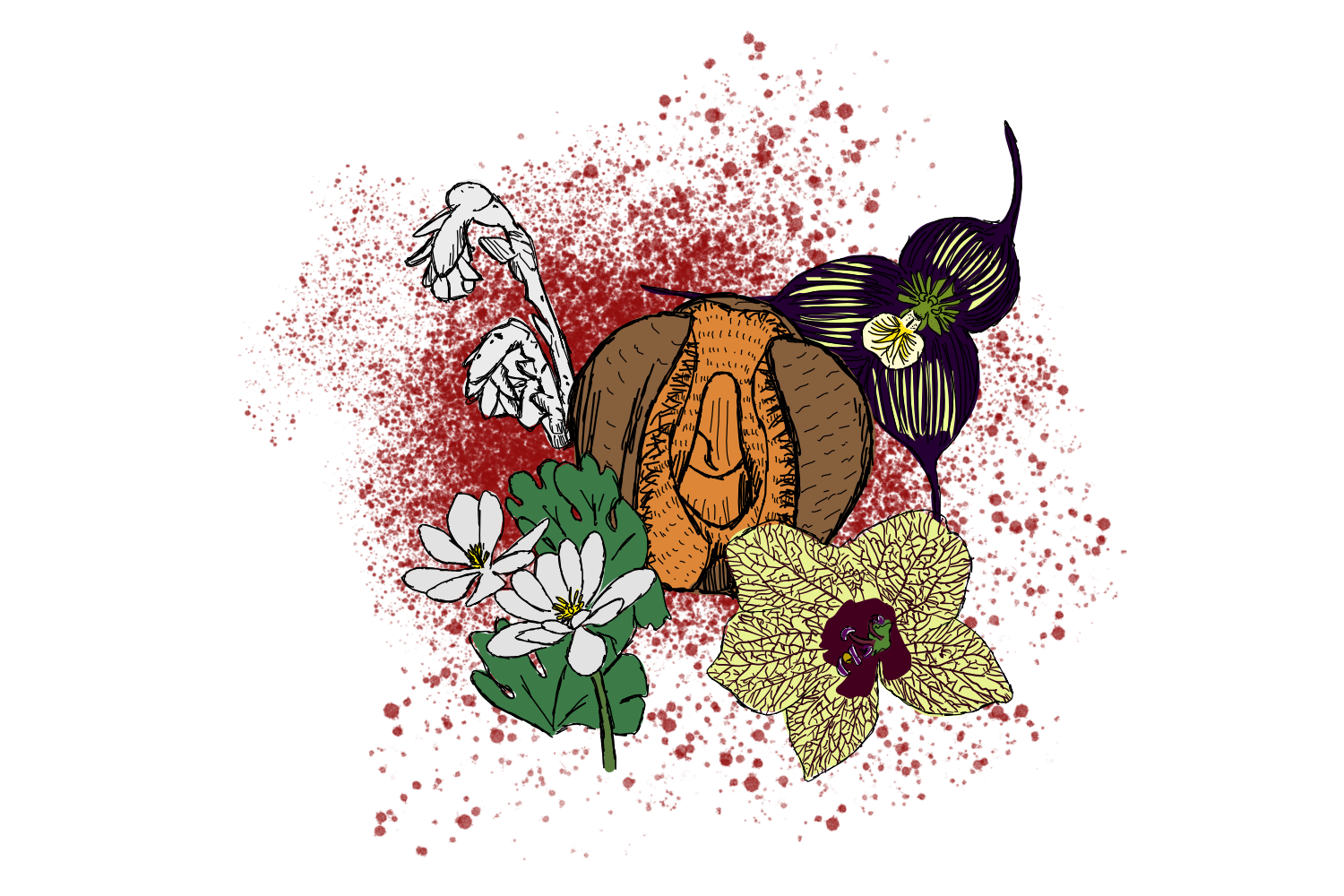
Our 11 Scariest Plants
Reading Time: 8 minutesWelcome to Halloween Week! We thought we could stick to the spoooky theme this week, and present our favourite scary plants. Just as a disclaimer – we are well aware of (and a little bit sad about) the fact that some people will hear ‘scary plant’ and immediately thing ‘GMO’. But that’s…
-
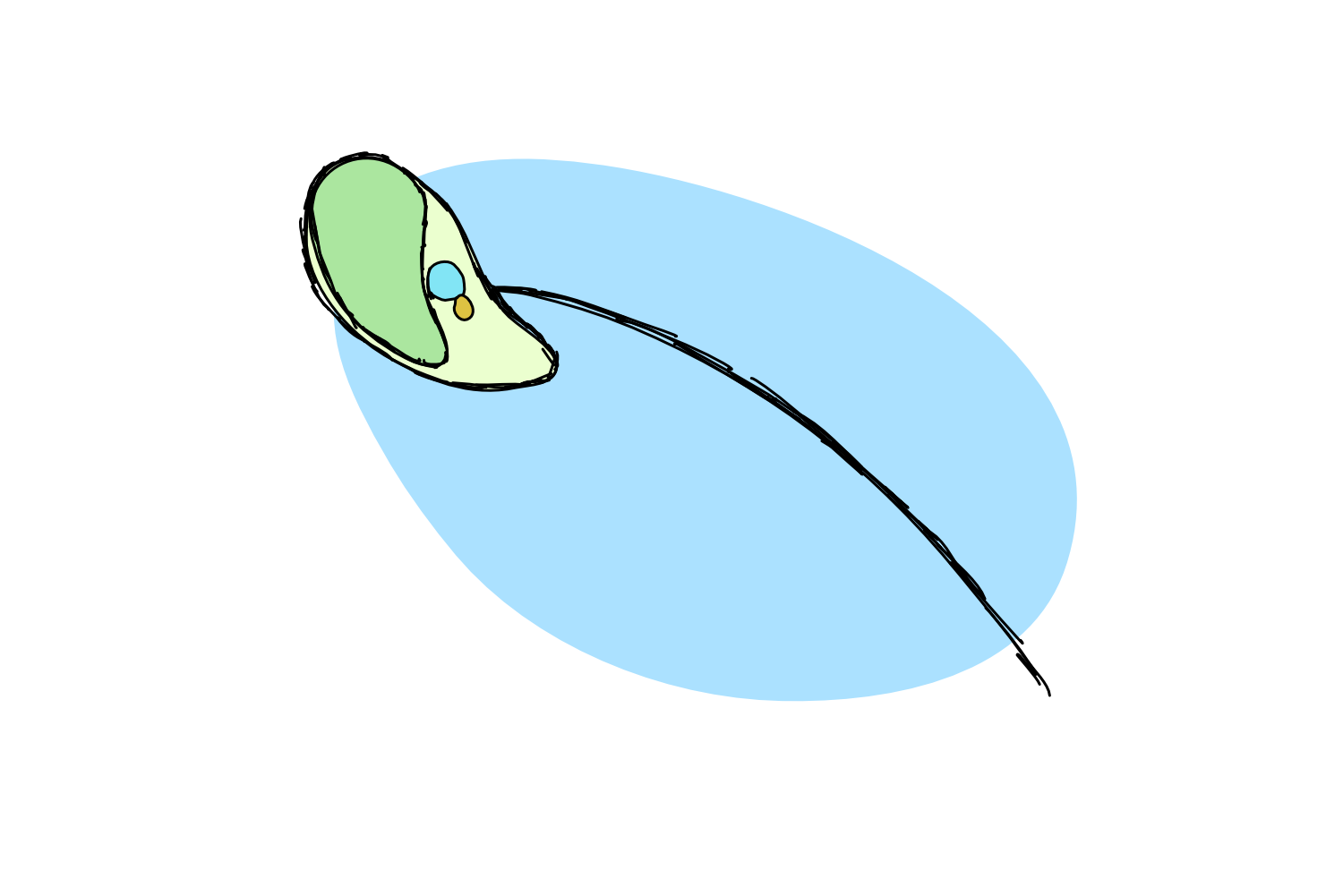
Fun-sized ‘plants’
Reading Time: 4 minutesSmall things are fun. That’s why they call tiny chocolate bars fun-sized. So we thought we’d look into the plant biology version of those shrunken-down candy bars: the fun-sized class of Mamiellophyceae.
-
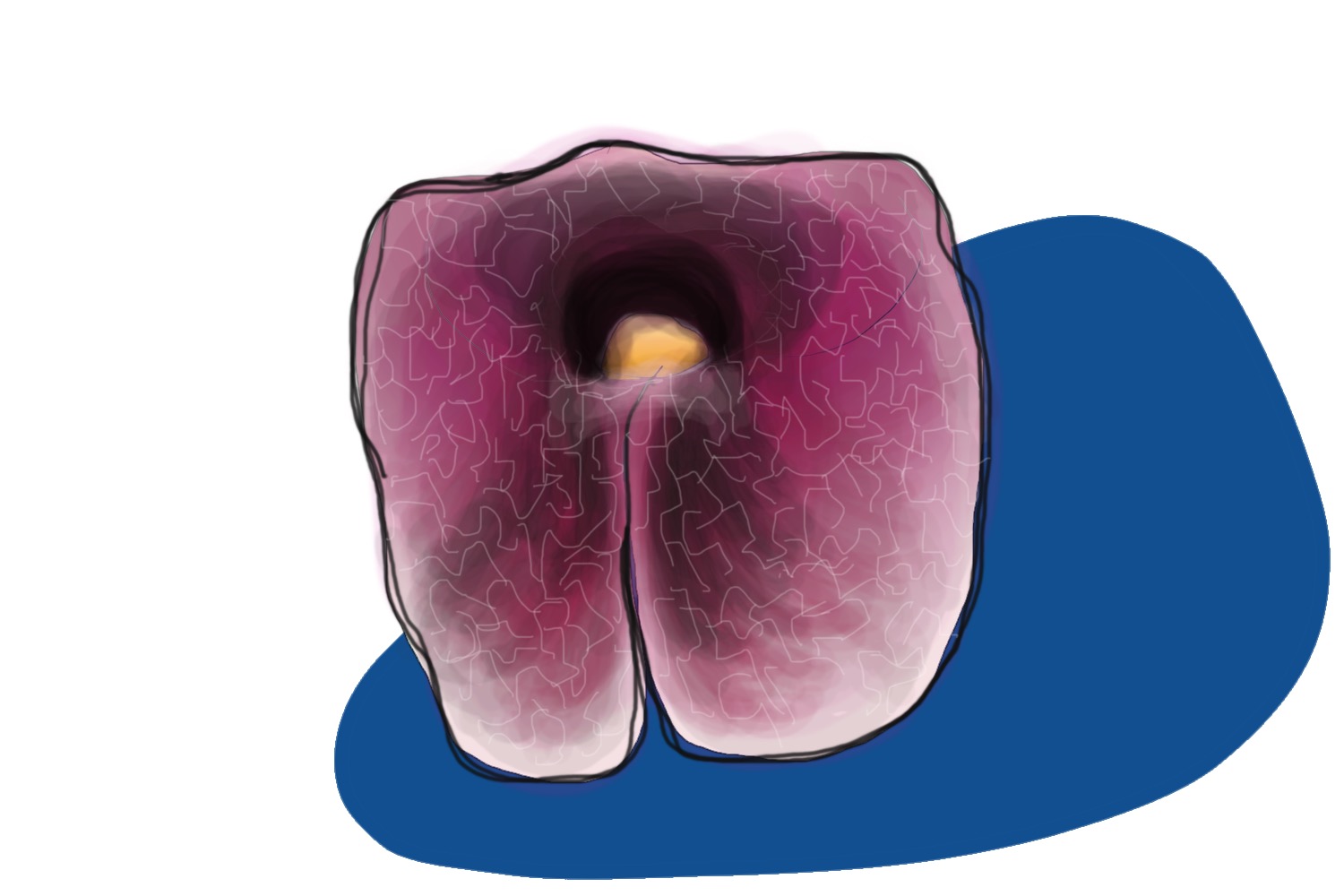
Seen at the Berlin Botanical Gardens-Aristolochia
Reading Time: 3 minutesAt the start of October, Plants and Pipettes (aka, Joram and I), took a trip to the Berlin Botanical Gardens. And boy, did we see some pretty things!
-
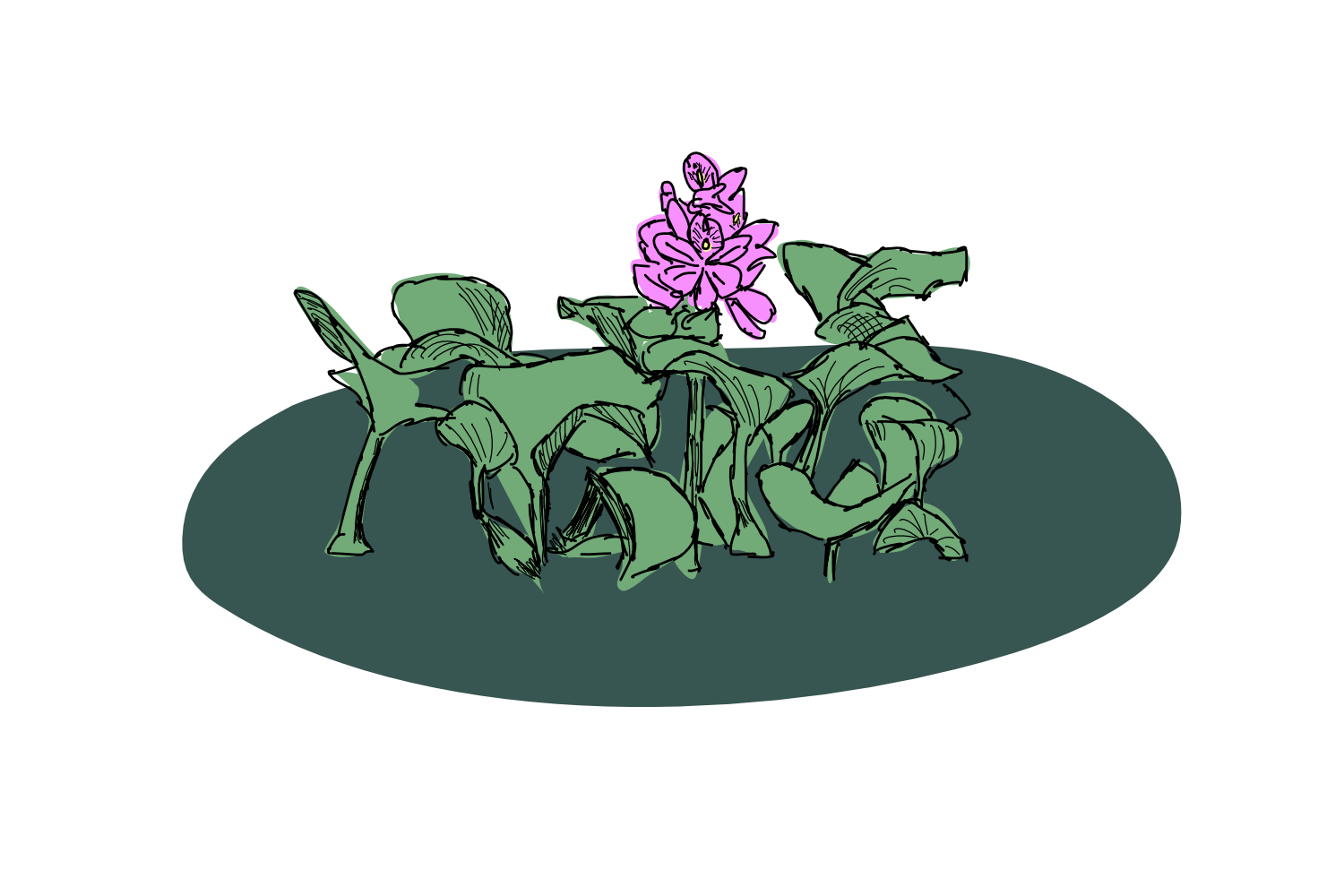
Gotta grow fast!
Reading Time: 4 minutesIn 1884, during the Cotton State Exhibition in the United States, well-meaning presenters handed out small plants to visitors. Those visitors brought the gifts to their backyards where they excitedly planted the aquatic planted in small streams and ponds. Just 16 years later, the plant had become a serious pest in many…
-

Cross both ways before you look!
Reading Time: 6 minutesToday, in this CROSSOVER with Vivian from Instagram’s @Fat_plants_only, we’re talking about literal crossing. More specifically, we’re diving into the molecular and genetic factors that play a role into directional crossing differences. I.e., why it is sometimes, using one parent species as the dad (pollen or sperm donor) and one as the…
-
The forgotten organelle
Reading Time: 3 minutesThink of a plant organelle. You probably picked the chloroplast, the guy that’s specific to plants. Or maybe the giant vacuole. If you‘re weird, you picked the tiny mitochondria*. Chances are, however, that you forgot about one organelle – the peroxisome. *We’re both chloroplast people, thus the mito shade.
-
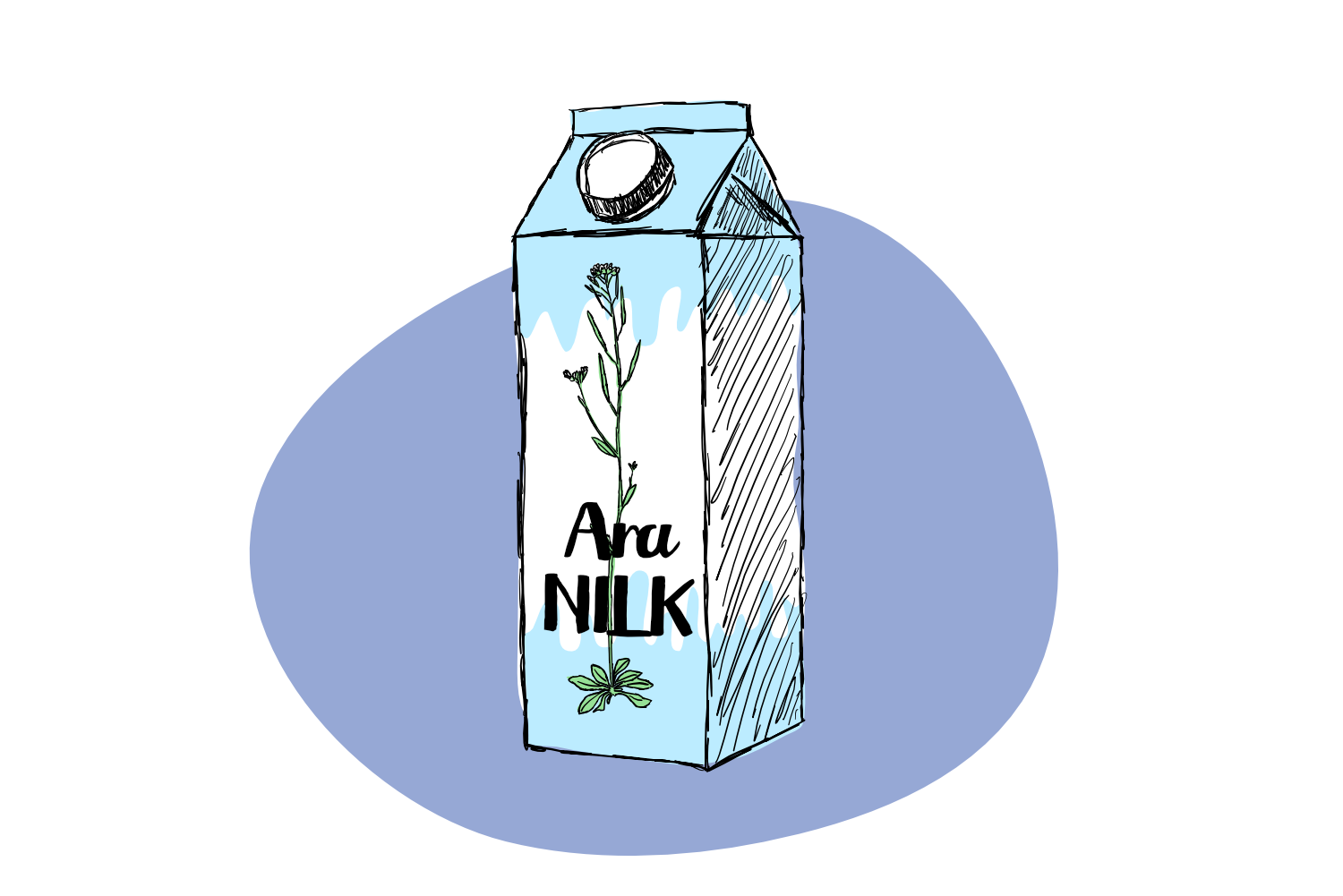
Babyccino*, with Arabidopsis milk?
Reading Time: 5 minutesPlants have long been used as an important source of oil- sunflower, olive, canola and even pumpkin seed. And, more recently, they’ve also been used to make nilk**: soy, oat, almond and cashew. Today, we’ve got a bit of a mixed bag for you, a post about how plant oils can be…
-
What it takes to be a mitochondrion
Reading Time: 10 minutesYou all know the mitochondria are the powerhouses of the cells.. but what exactly is required to get that power going? Mitos were first seen as organelles way back in the 1800s, and known to be the sites of cellular respiration by the early 1900s. And although we now know that in…
-
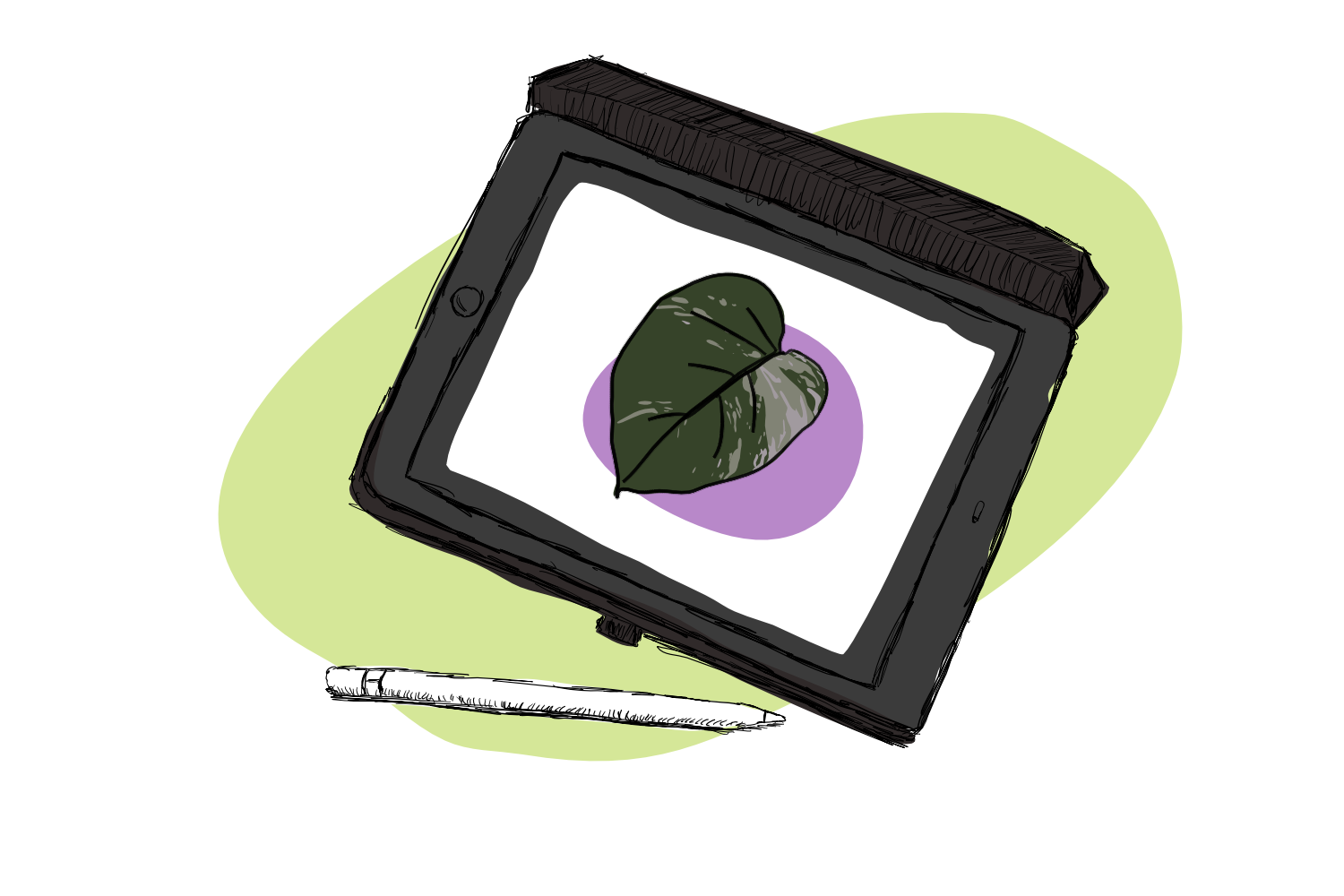
Drawing Plants and Pipettes
Reading Time: 5 minutesI’m not an artist. I’m a fairly conventionally trained molecular biologist and I spent way more time assembling acrylamide gels than on the drawing board. Still, I draw most of the images here on the site. Today, I’ll show you how.
-
Global climate strike 2019
Reading Time: 6 minutesYou might have noticed it on the news, or maybe you even joined – this year there was a Global Climate Strike on September 20th. We joined our local demonstration in Berlin
-
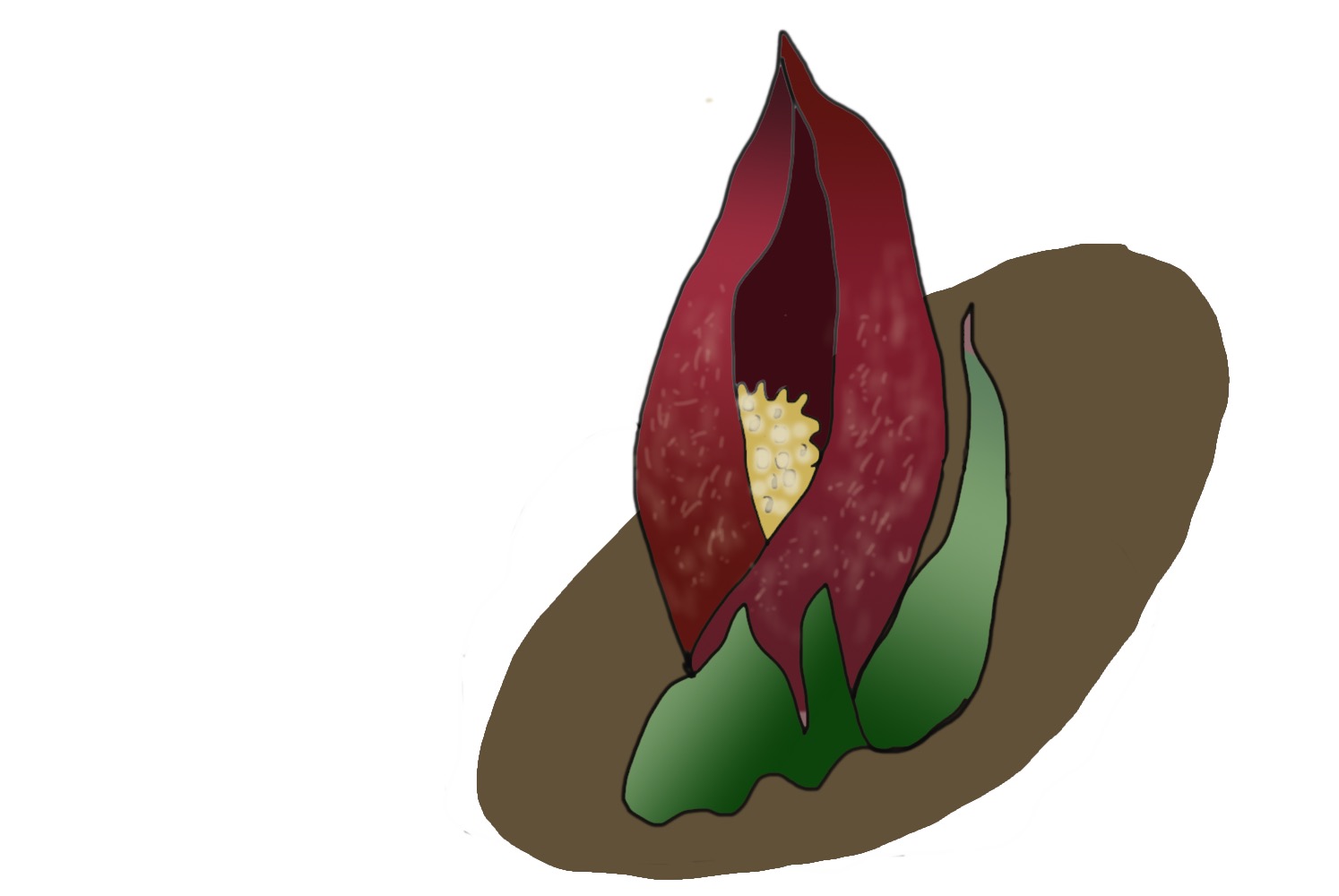
Skunk cabbages and the invention of eukaryotes
Reading Time: 6 minutesWelcome to Musing Mondays, where we ask …. what does a skunk cabbage have to do with the invention of eukaryotic life?