-
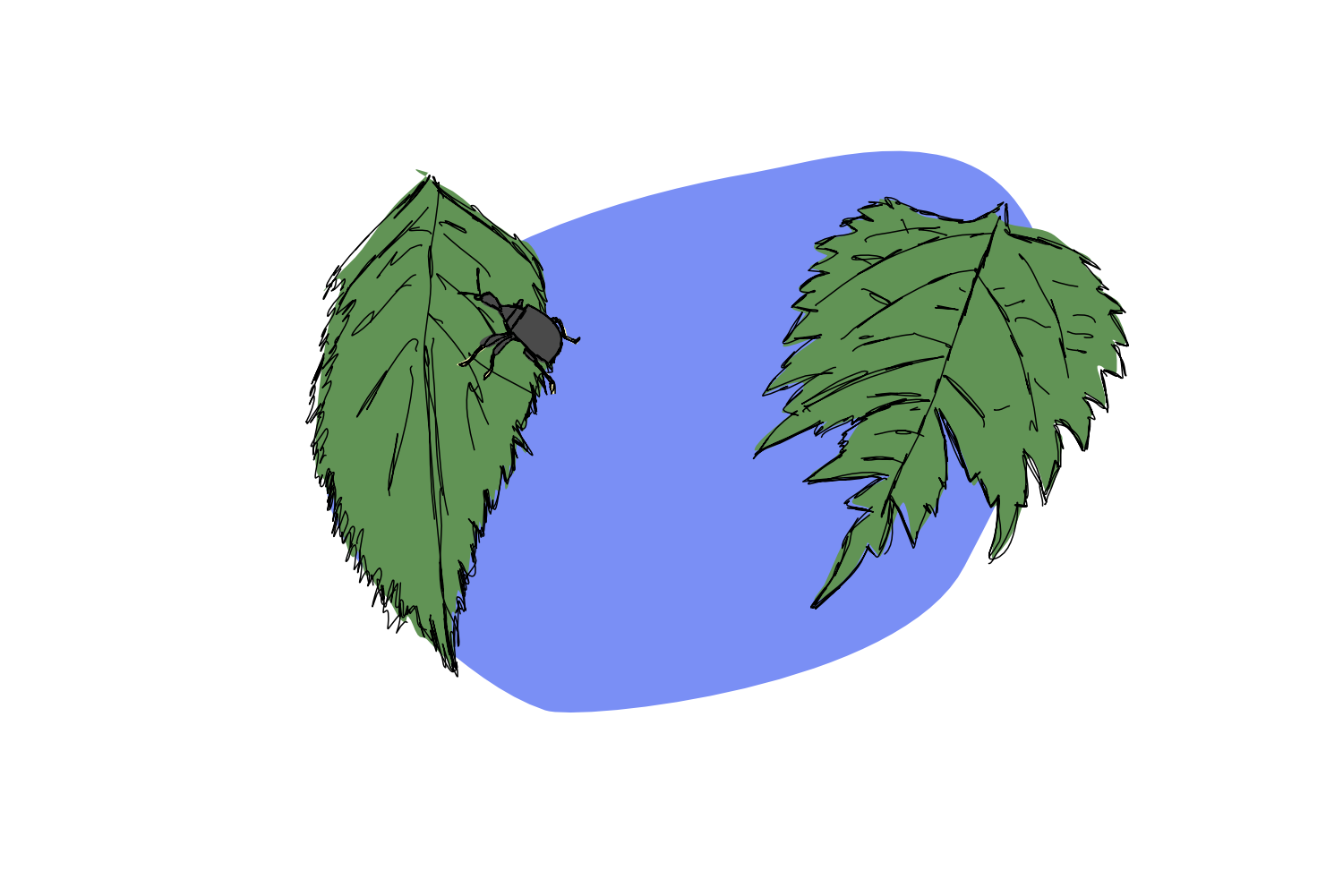
How the Leaf got its Shape
Reading Time: 5 minutesLeaves begin their lives as a tiny rounded ‘peg’- an outgrowth of a cluster of just a few cells. Yet as they grow, they develop not only in size, but also in shape. The result: a huge and beautiful diversity of foliage structures, with differences seen from species to species, within a…
-
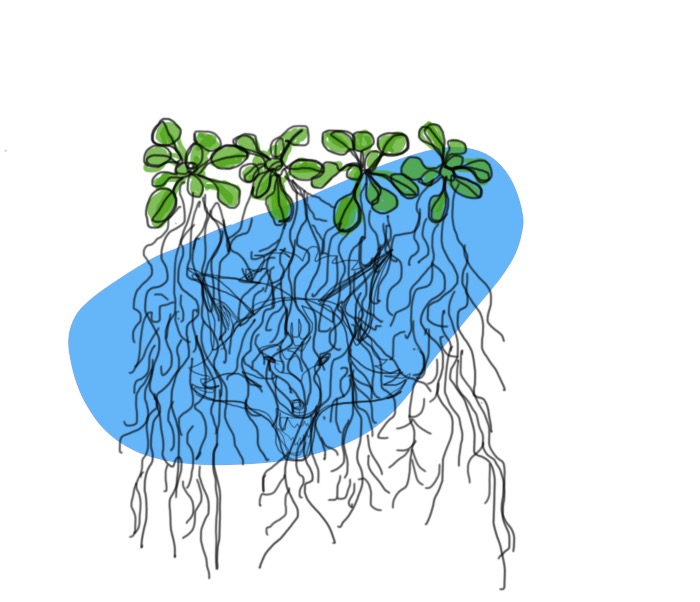
Werewolf roots
Reading Time: 4 minutesThis werewolf didn’t come into being like the werewolves of other stories do. There wasn’t a bite, a fever, or rapidly sprouting knuckle-hairs. There wasn’t a dark night or a full moon or the howling call of the wild. But there were scientists. And there may have been some mutagenic substances.
-
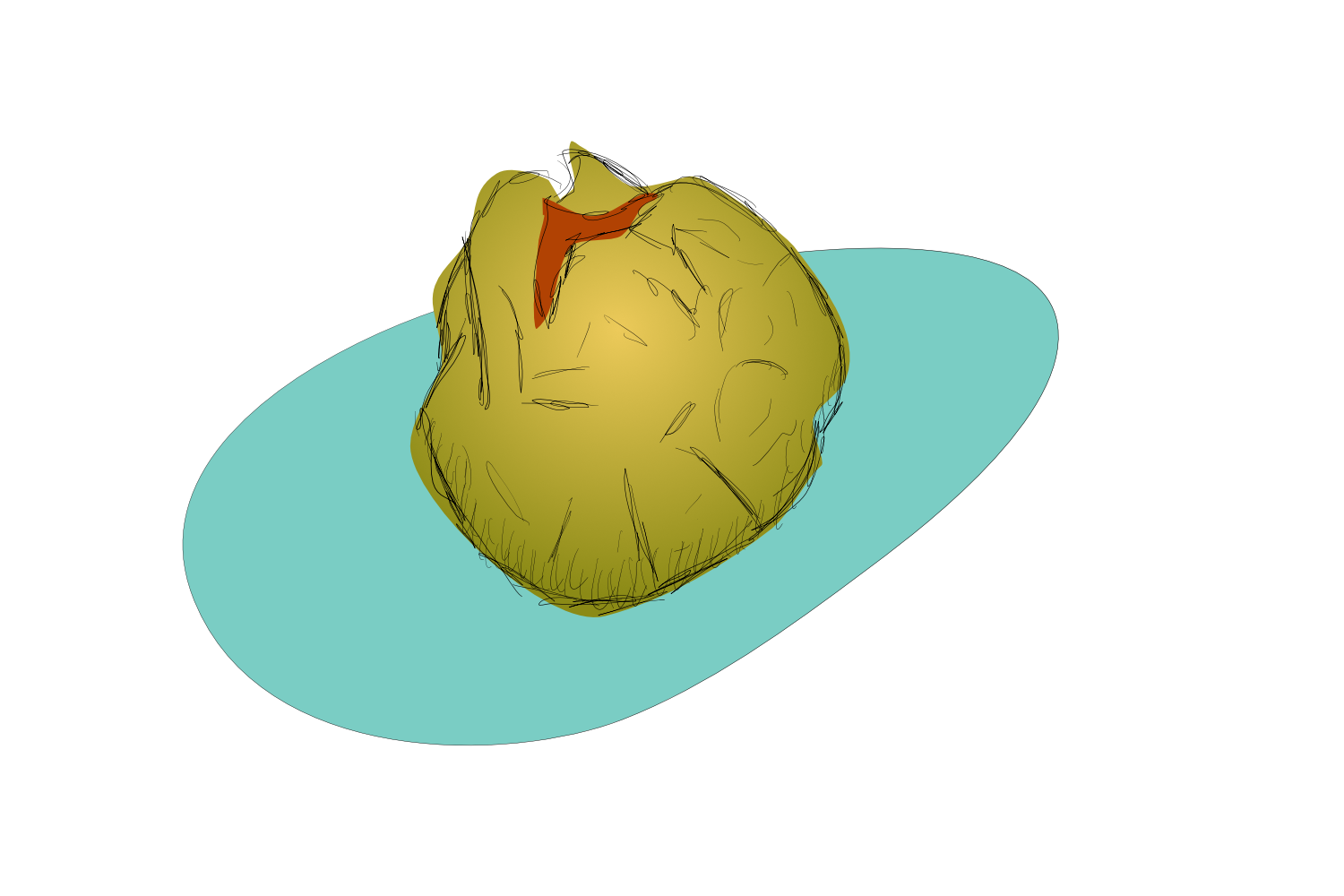
A house that plants built
Reading Time: 4 minutesInsects, viruses, bacteria and others can hijack plant genes to turn leaves into highly specialised organs that have one main function: to serve as a home for the invader.
-
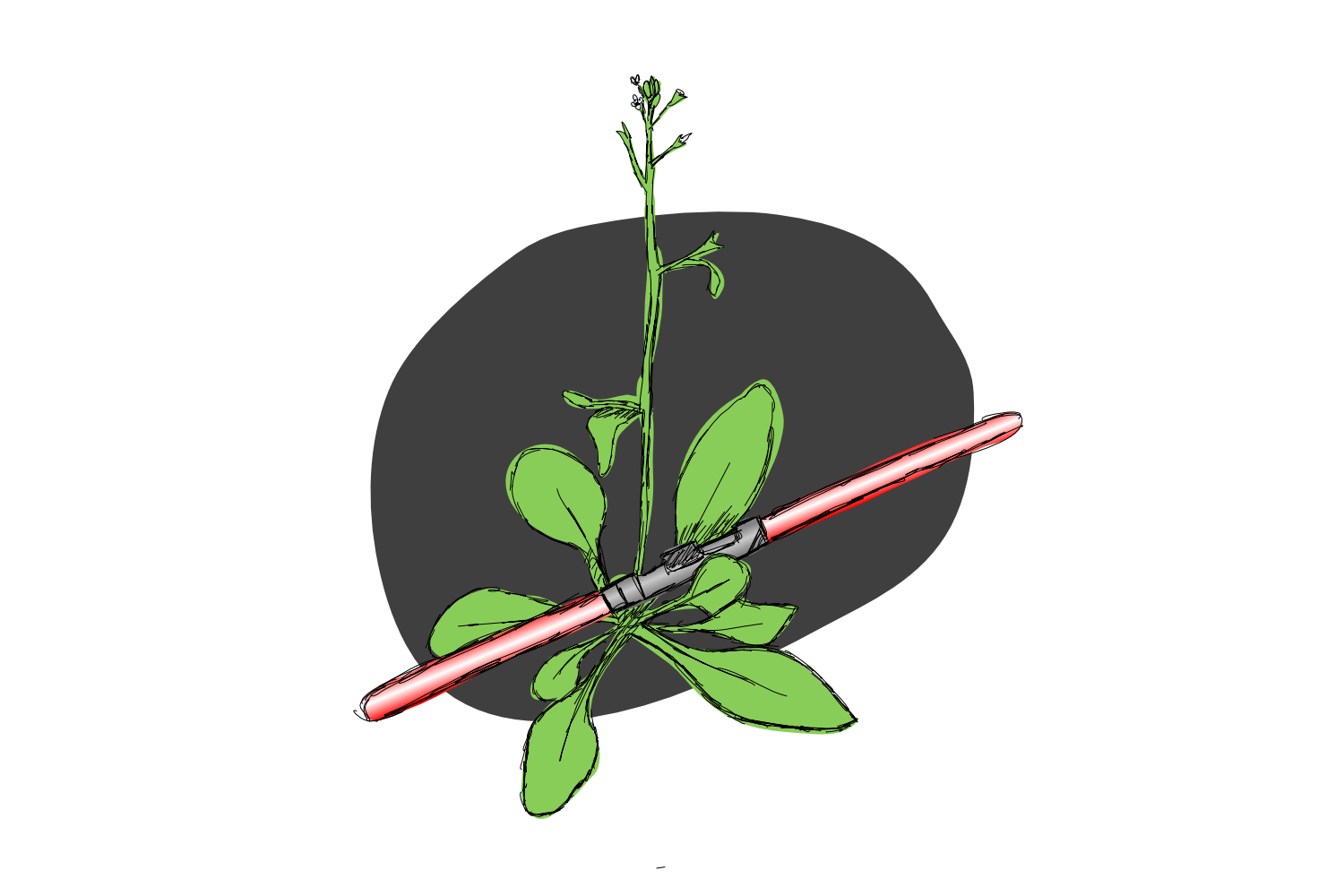
Promoting defence from all sides
Reading Time: 5 minutesThese promoters are pretty much the genetic version of Darth Maul’s double sided light saber. Today we’re talking about bidirectional promoters, another amazing feature invented by nature, and now ready to be used by scientists in the quest to understand and manipulate plants!
-
1000 is a very big number!
Reading Time: 2 minutesToday, in celebration of hitting a major milestone of 1000 followers on social media, we thought we’d look at another special thousand: the 1kp project.
-
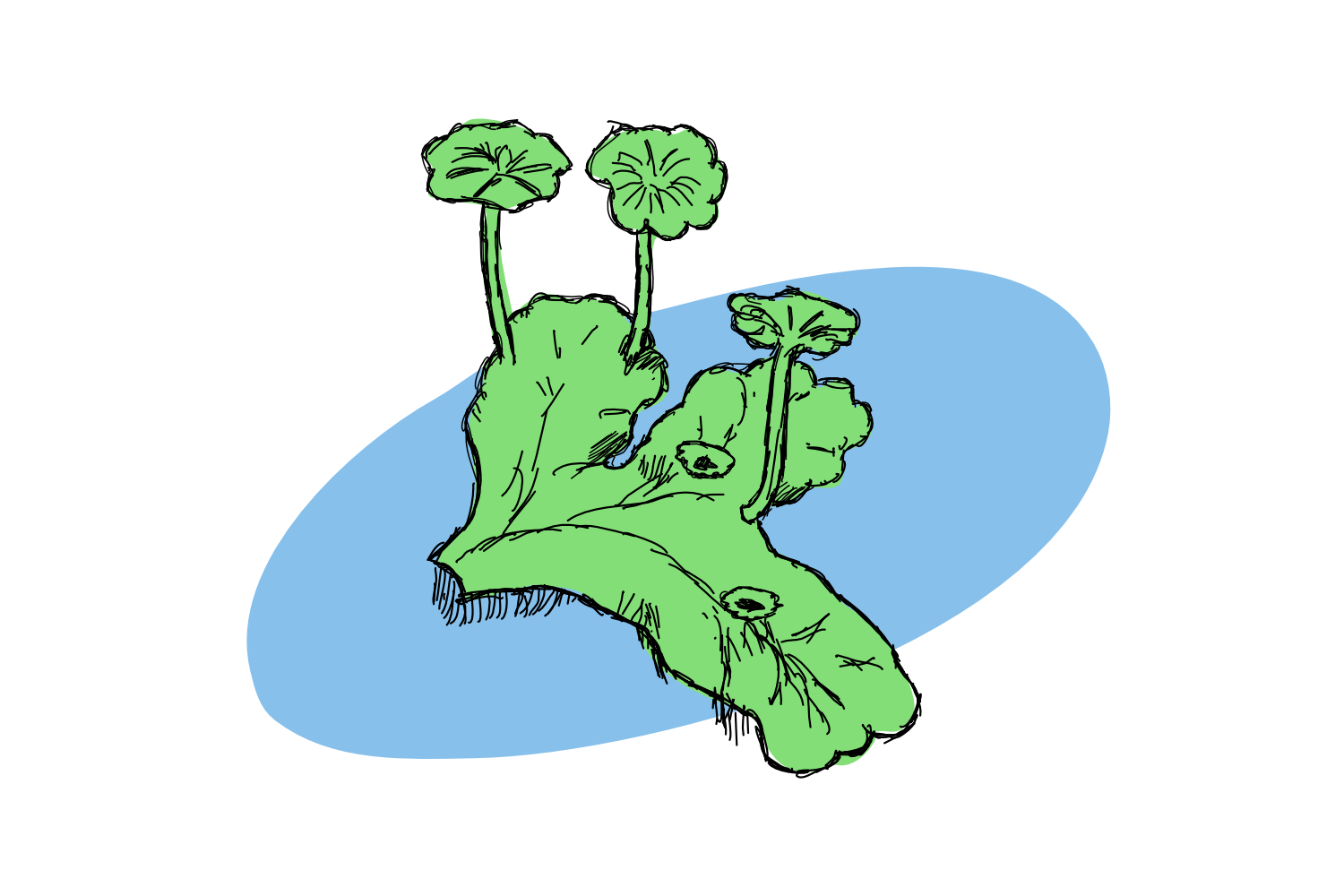
There’s no such thing as Mar-Can’t-ia
Reading Time: 4 minutesIf you were as much of a plant-loving biology nerd as I was, you might still have some vague memories of plant classification systems rattling around from high school times. You known, the kind stuff that clusters with ‘useful’ memories of songs you learnt in grade three about environmentalism, the school motto,…
-
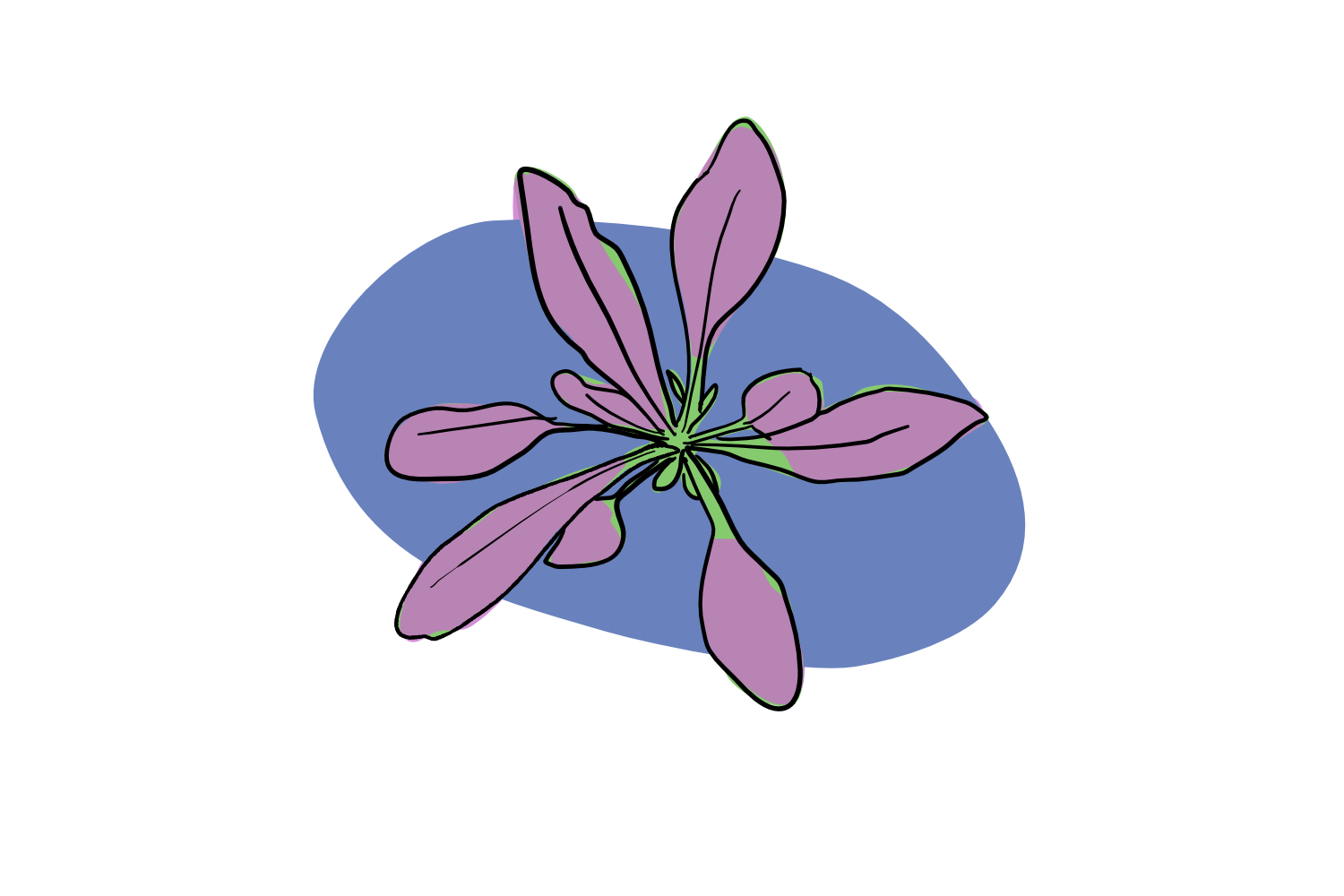
Boy hormones make Plants Pink
Reading Time: 4 minutesToday, bucking the bizarre cultural trend of colour coding our children in blue for boys and pink for girls, we bring you a story about boy hormones that make plants blush pink.
-
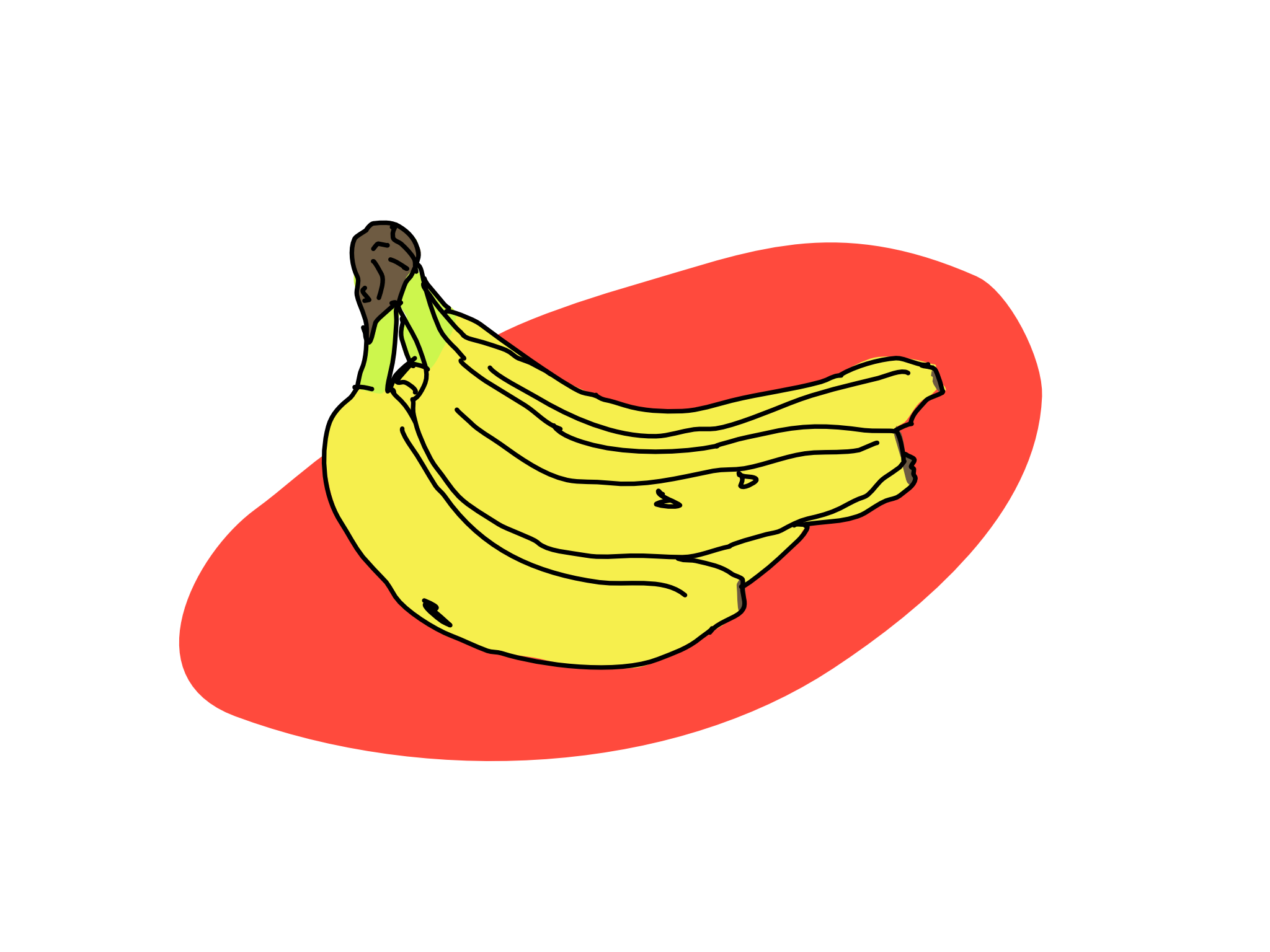
Banana-nana-no?
Reading Time: 4 minutesLiving in a globalised world certainly has its perks – goods and people travel around the globe, and more and more people have access to things deemed unobtainable 100 years ago. But travelling the world with those goods and people are less desirable things, including pathogens. Now, a fungus made its way…
-
The thin tree line between life and death
Reading Time: 5 minutesIf you’re as bad a plant parent as me, you’ve probably been in the position of coming home from a long summer vacation and being faced with crispy plants and the big question: is it worth watering your plants and hoping for their recovery, or should you immediately chuck everything in the…
-
See-through Soil
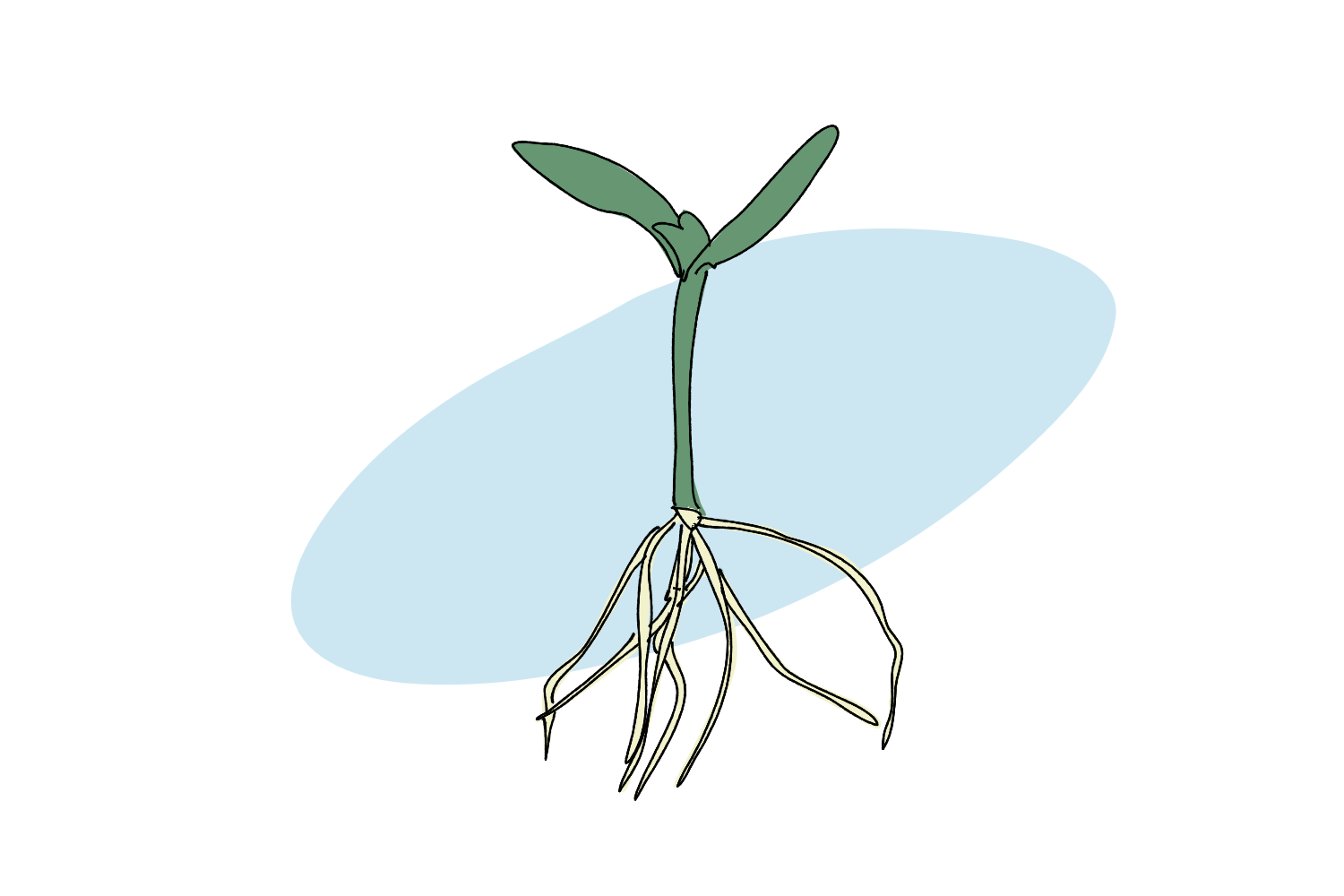
Reading Time: 5 minutesObserving plant growth relies in many ways on actually being able to see the plant parts you’re interested in. The aerial tissue, the bits growing above ground, are easy enough to view. It’s no issue to count leaves or fruit, describe the colour of a flower, or studiously note the branching architecture…
-
Getting a new pair of genes
Reading Time: 5 minutesEvolutionary progress requires genetic material to build on- building blocks that can be shaped and changed with time and selective pressure. Plants are especially good at copy-pasting large chunks of their own DNA or even entire chromosomes, and then altering them, slowly but surely, to make new functional genes. Sometimes however, they…
-

One hungry caterpillar, and the communication of vibrations.
Reading Time: 4 minutesPlants are great listeners. Your average houseplant will happily spend hours hearing about your daily troubles, and won’t bat an eye if you sing Brittney’s ‘Toxic’ out of key for the best part of an hour. Out in the wild, this ‘listening’ has a more practical side- plants listen, by feeling sound…
-

The grass is greenest on the inside
Reading Time: 4 minutesSometimes, the world doesn’t seem to work in your favour. Your co-worker’s experiment works on the first try, everyone finds a seat on the train but you, and your lawn can’t really compete with your neighbour’s. Today we’re looking at whether the grass really is greener on the other side, a journey…
-
GMOnstera? Would you keep a GMO houseplant?*
Reading Time: 4 minutes*If it actually helped reduce air pollutants? There’s a lot of talk on the internet about the ability of certain houseplants to clean ‘toxins’ out of the air. Take a deep dive into Pinterest, and you’ll see hundreds of pictures suggesting the best ‘pollutant purifier plants’. Unfortunately, so far, the scientific evidence…
-
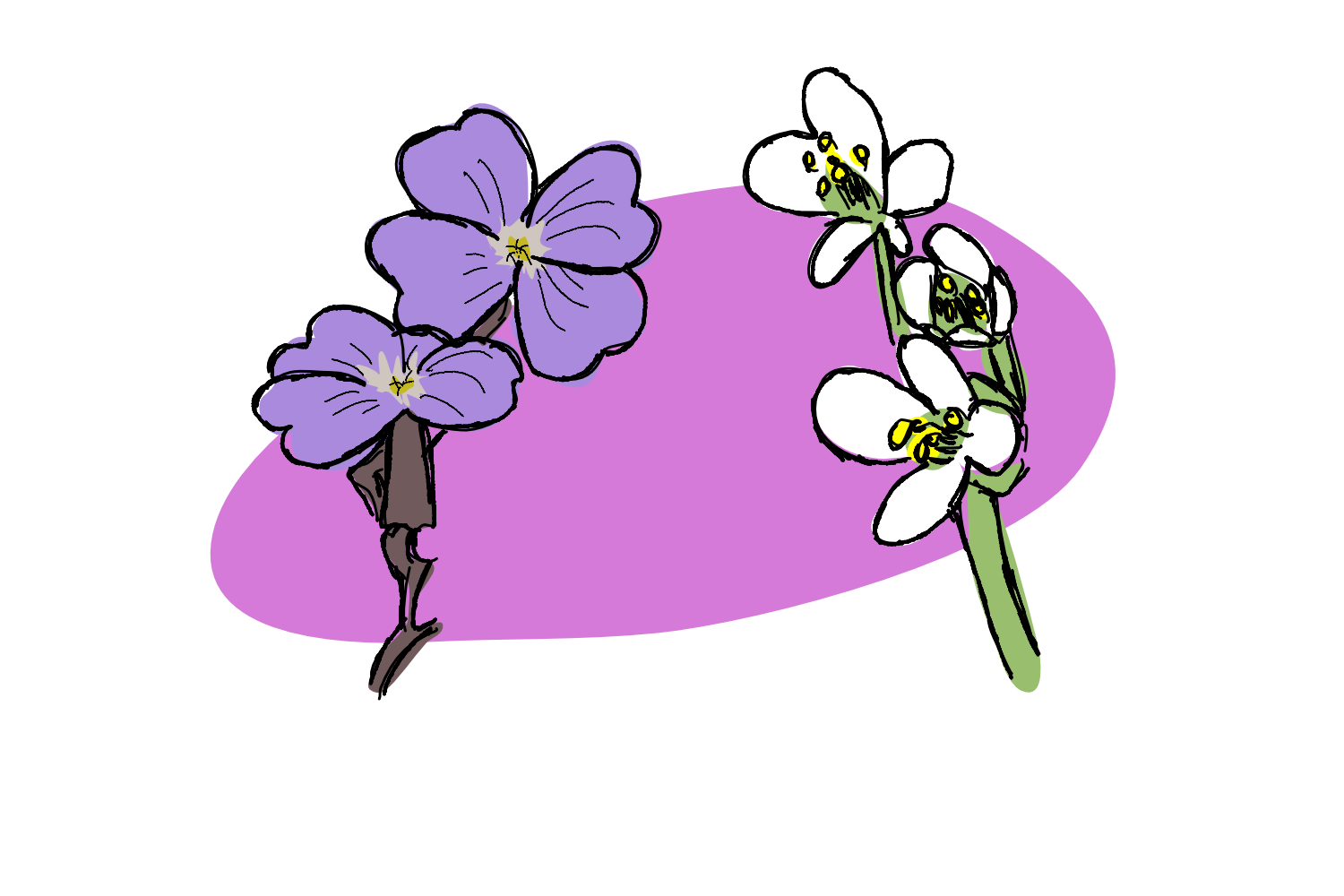
Your name is not on the list
Reading Time: 4 minutesPlants can’t really choose whose pollen they get covered with. All kinds of pollinators bring all kinds of pollen to the party. And with it they bring the burden, to the plant, of figuring out which pollen to allow in and which to send away. But as it turns out, plants know…
-
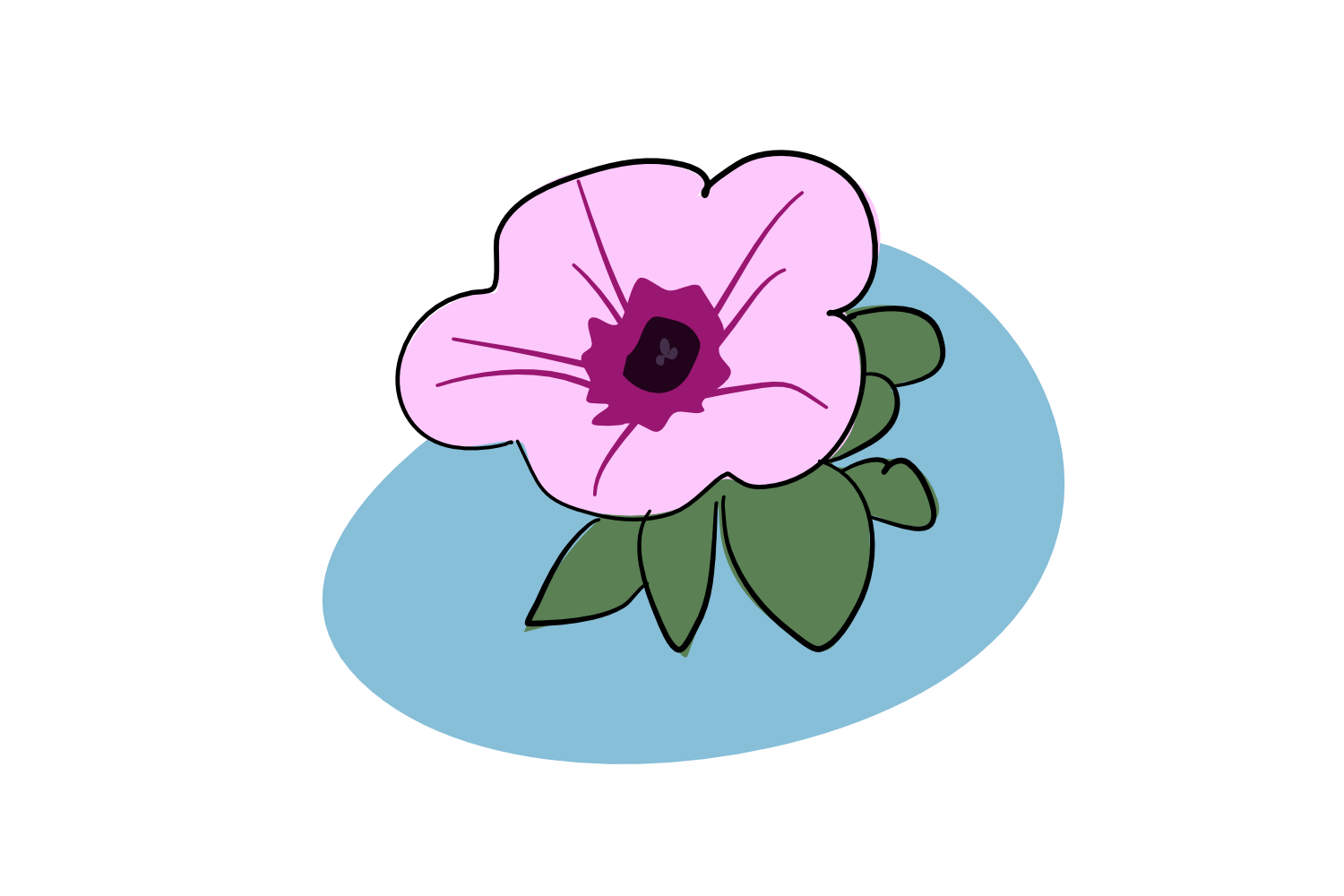
Fumigation communication
Reading Time: 5 minutesA.k.a, How gassy flowers create fumes as a way of talking to themselves.
-

This single celled algae is bigger than you think
Reading Time: 3 minutesWhat is the biggest single celled organism out there? And how large is it exactly? Today, we have a contestant for the biggest single celled photosynthetic organism out there. Can you guess what it is?
-
LGBT+ STEM
Reading Time: 2 minutesHere’s the thing. Love is love. Diversity is essential. Science should be free of bullshit.
-
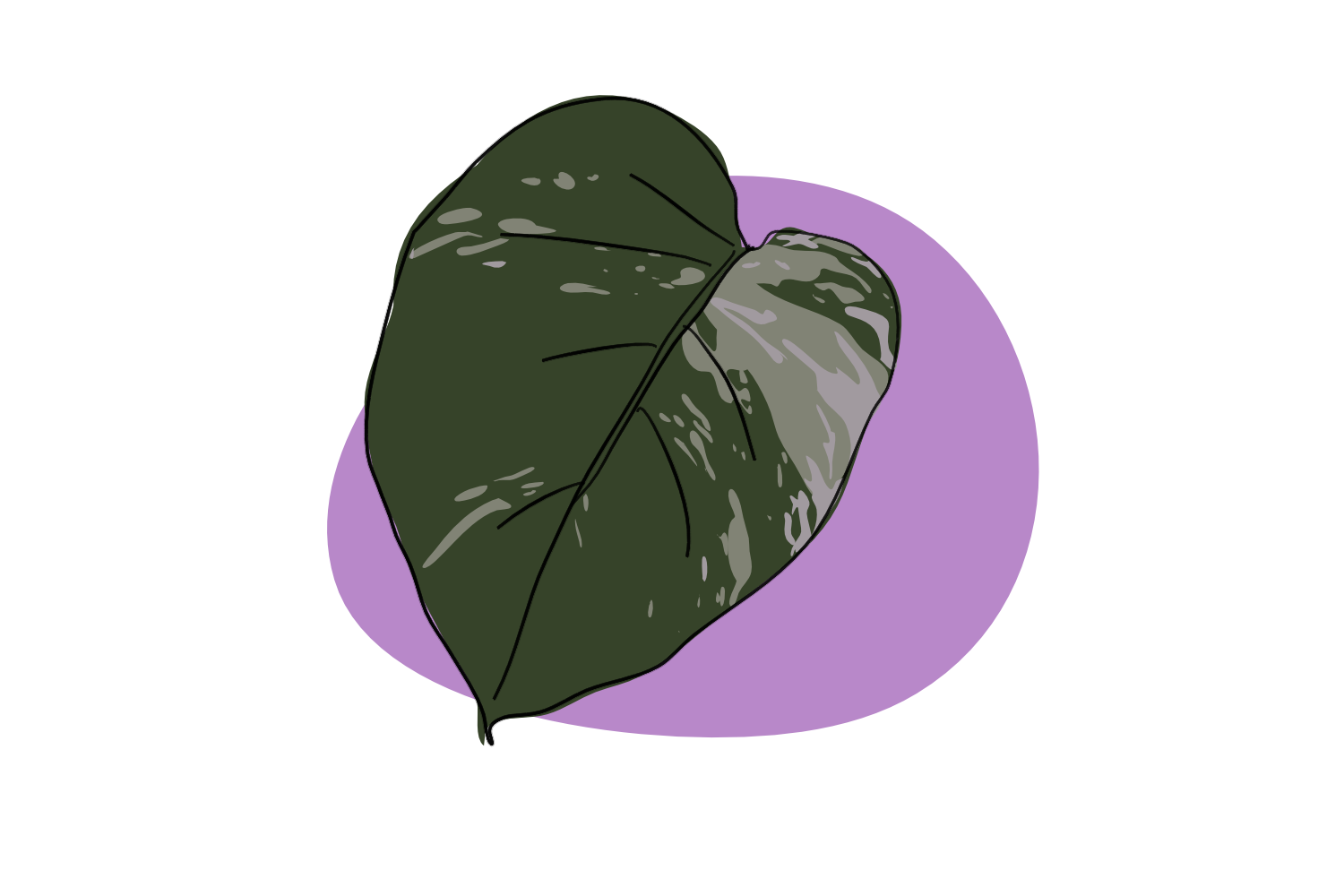
Variegated plants mix it up
Reading Time: 4 minutesMost people use instagram to follow celebs and look at highly staged photos of people enjoying their morning cup of cold brew on top of mountain in their underwear at sunset. Us plant nerds, however, like to look at plants. And if you’re anything like us, you might have noticed a trend…
-
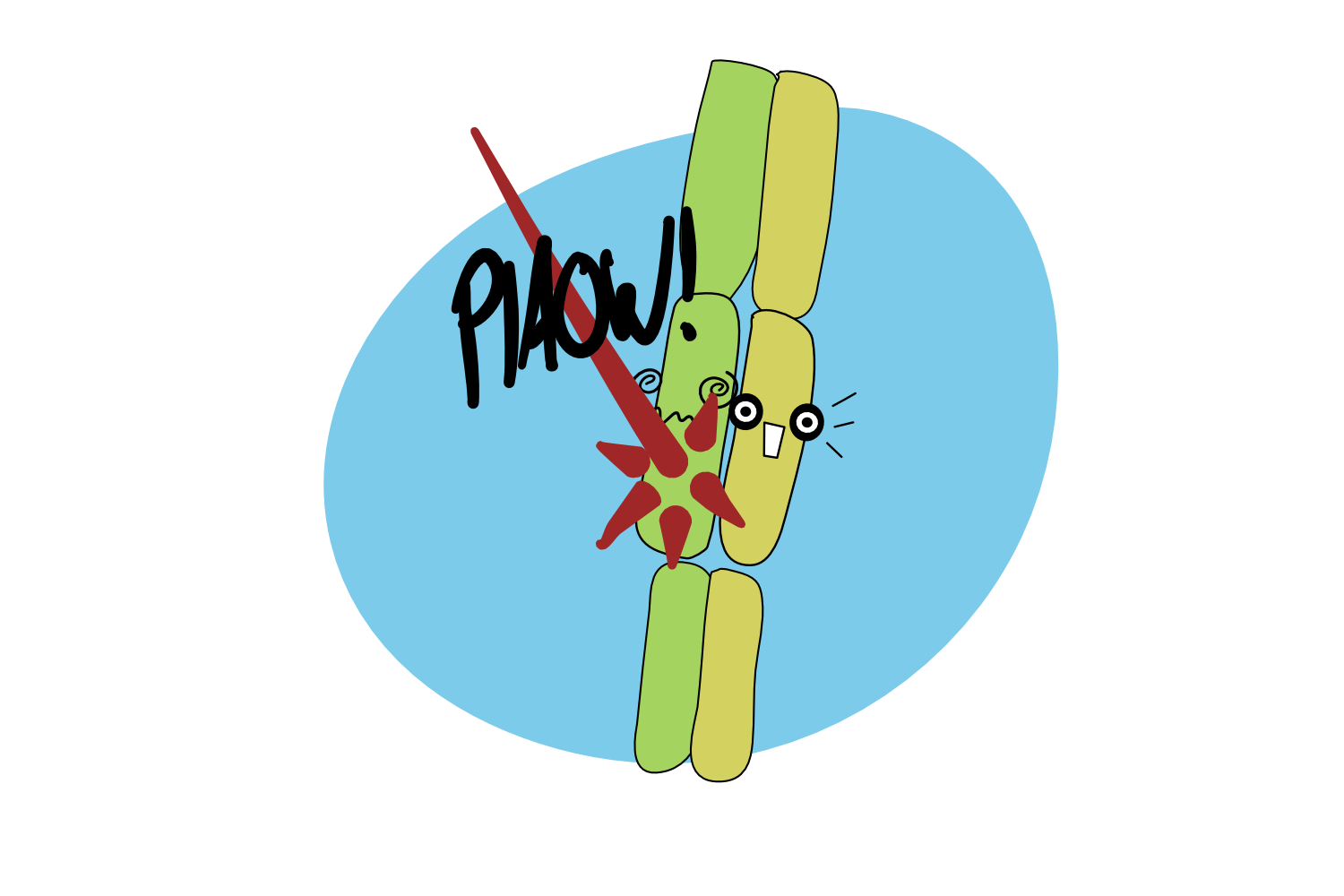
Plants v. lasers: remarkable root regeneration
Reading Time: 4 minutesPlants are better than you. They’re better at fixing carbon (hello photosynthesis). They’re better at attracting bees. They’re generally just a whole lot prettier than you, even this guy And, relevant for today’s post, they’re better than you at surviving laser attacks… providing that the lasers only damage a few cells at…