-
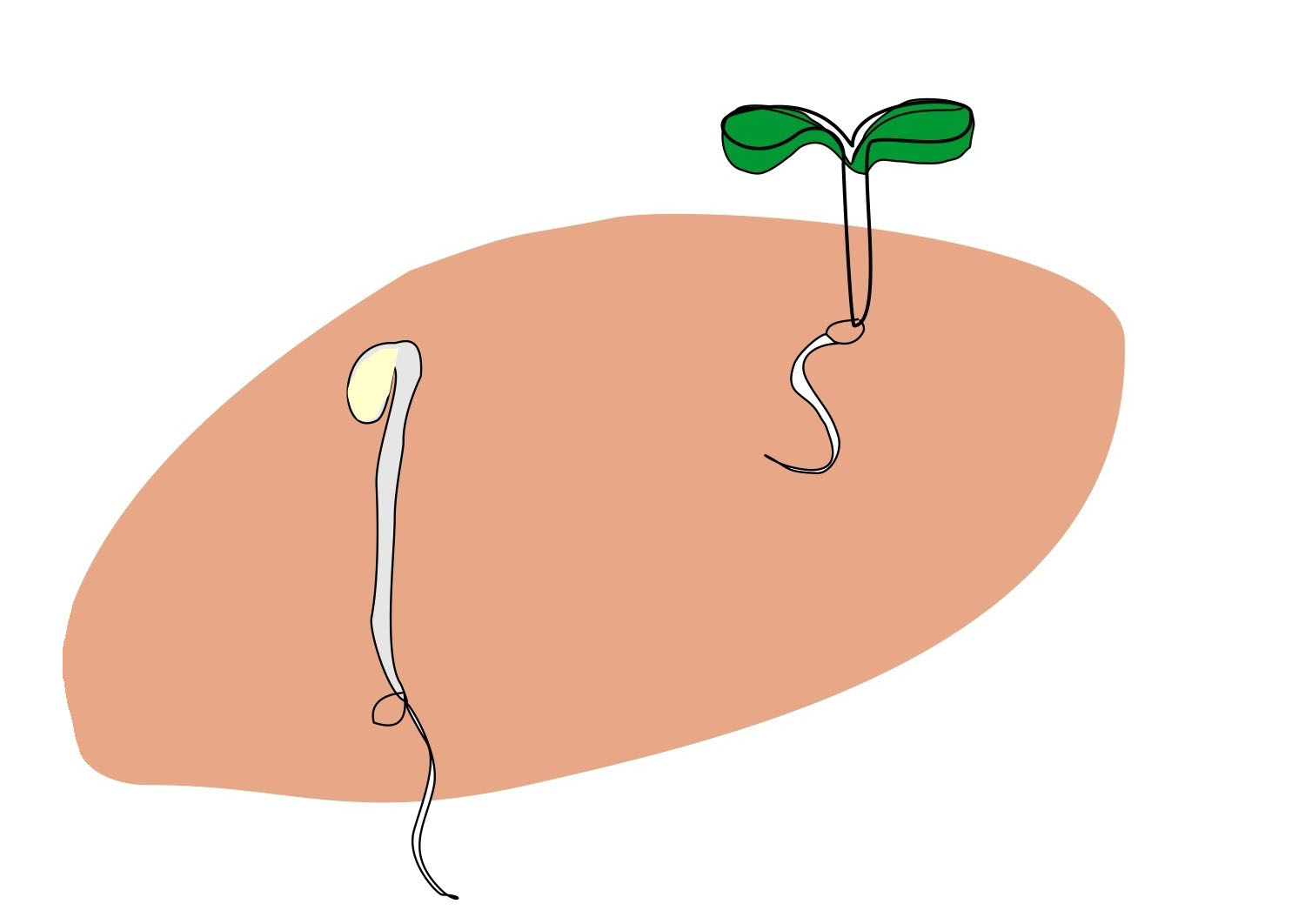
P-bodies prepare plants for growth in the light
Reading Time: 5 minutesAs anyone living in a poorly lit apartment (or country- heyo Germany!) will tell you, plants are pretty fond of light. Nonetheless, for many plants, life begins in darkness. Seeds often germinate under several centimetres of soil, so seedlings spend the first moments of their existence struggling to escape the black. Once…
-
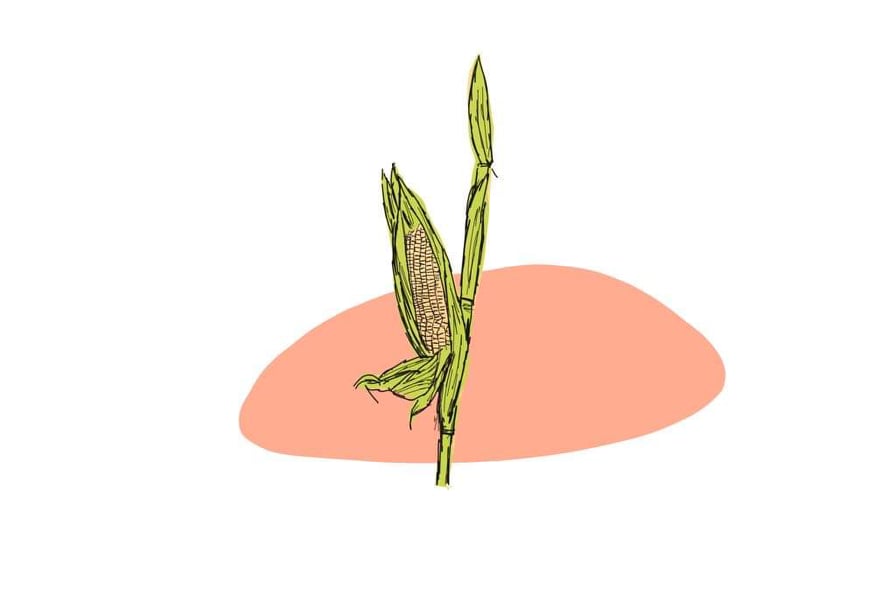
Not Like Dad
Reading Time: 4 minutesWelcome to a new Plants and Pipettes segment- #didtheyreallycallitthat, in which we discuss the bizarre names that plant scientists give their favourite genes, proteins or mutants. Just for the record, we at Plants and Pipettes are totally in favour of inventive naming. It makes everything a lot easier to remember. And at…
-
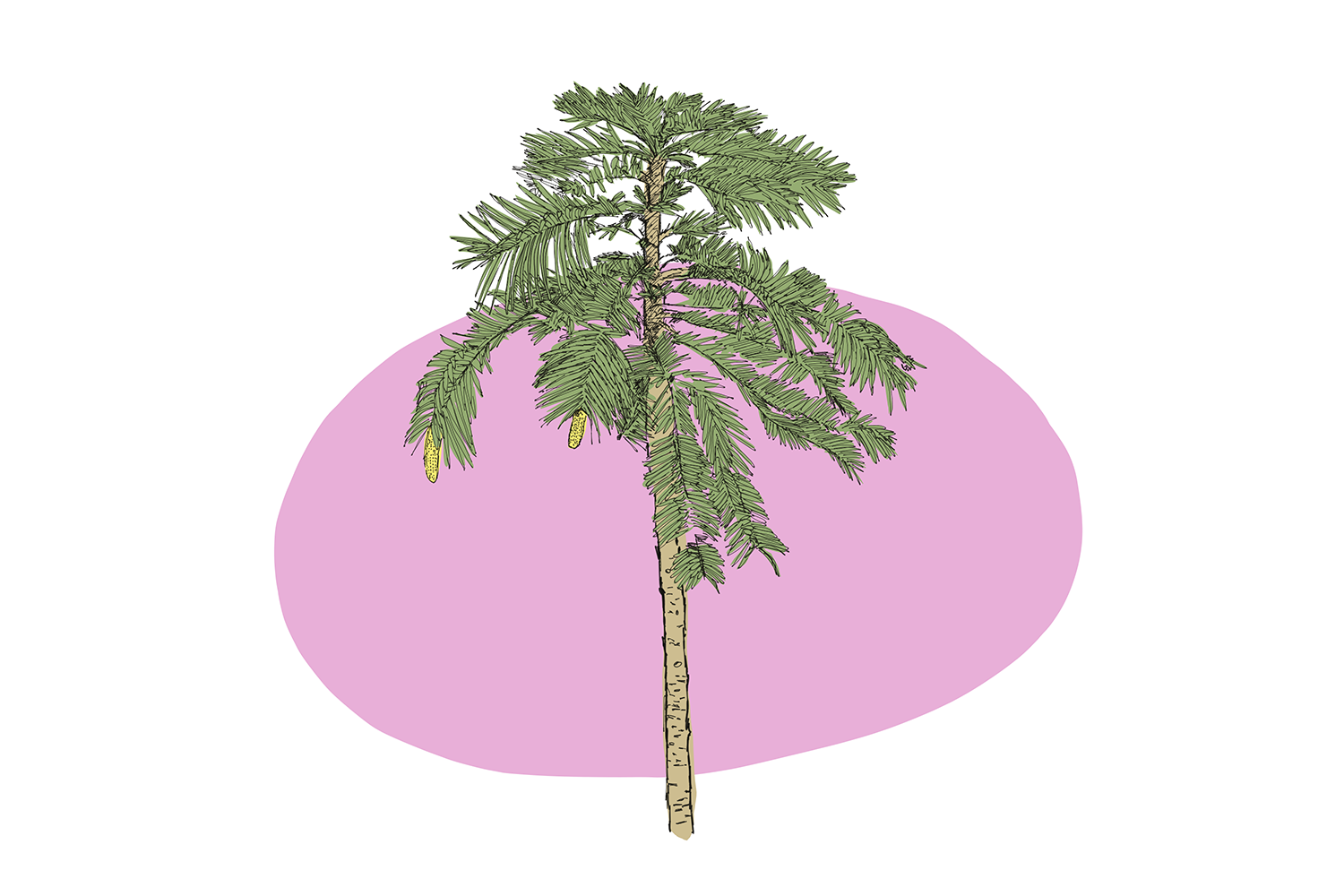
Jurassic Bark
Reading Time: 4 minutesLast weekend, while snooping around the Copenhagen Botanical Garden, I ran into a fellow Australian. Wollemia nobilis, the stuff of coniferous-tree legends! A tree that stood still in time as dinosaurs walked the Earth and then perished, as tectonic plates shifted and reshaped the lands, and as the ice advanced and retreated.…
-

Simple Things* #11
Reading Time: 2 minutesSome tiny parts are special: when you look at them in a blue light, they don’t look blue but instead green or red. They take the heat that is in the blue light, keep some for themselves and then send turn the rest of the heat into green or red light. They…
-

Plants give us power
Reading Time: 3 minutesHere at Plants and Pipettes, we love anything that generates power from energy sources. We love our fossil fuels just as much as we love our nuclear energy and even the regenerative biomass has a place in our hearts. Today marks the first day of our mini-series on the greatest plants in…
-
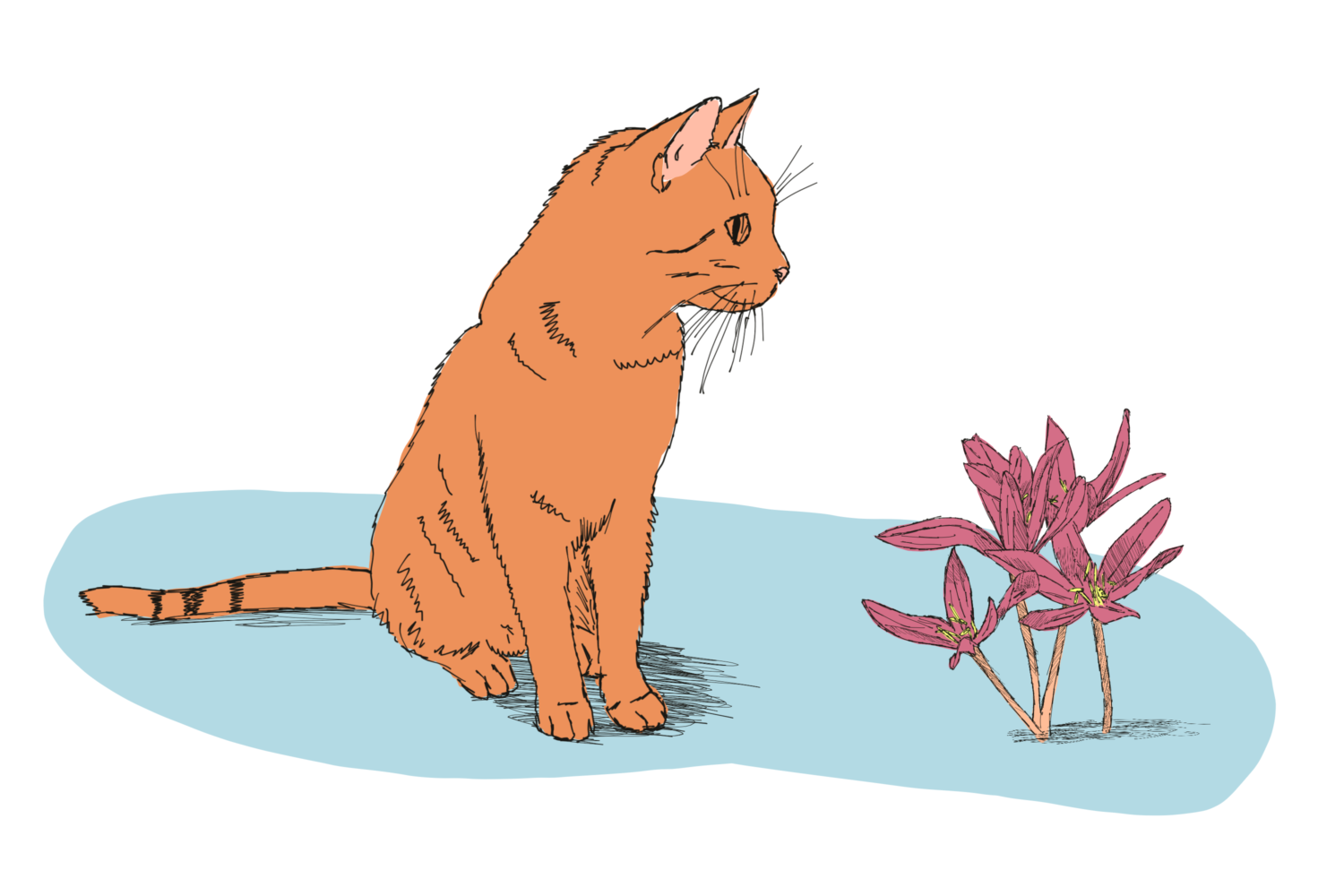
Cats and Naked Ladies
Reading Time: 4 minutesIf you have furry friends, you probably know about the things that hurt them. And because we here at Plants and Pipettes are ‘Team Cat’, we’re talking today about a certain plant that can be deadly to them. And also naked ladies. ‘Let’s not get too clickbaity’, I thought. Followed immediately by…
-
Simple Things* #10
Reading Time: 2 minutesThe sun throws light from the sky while the ground gives food to all green things. But how do they know to put their long and thin feet into the ground and their green hands in the air? Green living things have a sense to know what is up and what is…
-
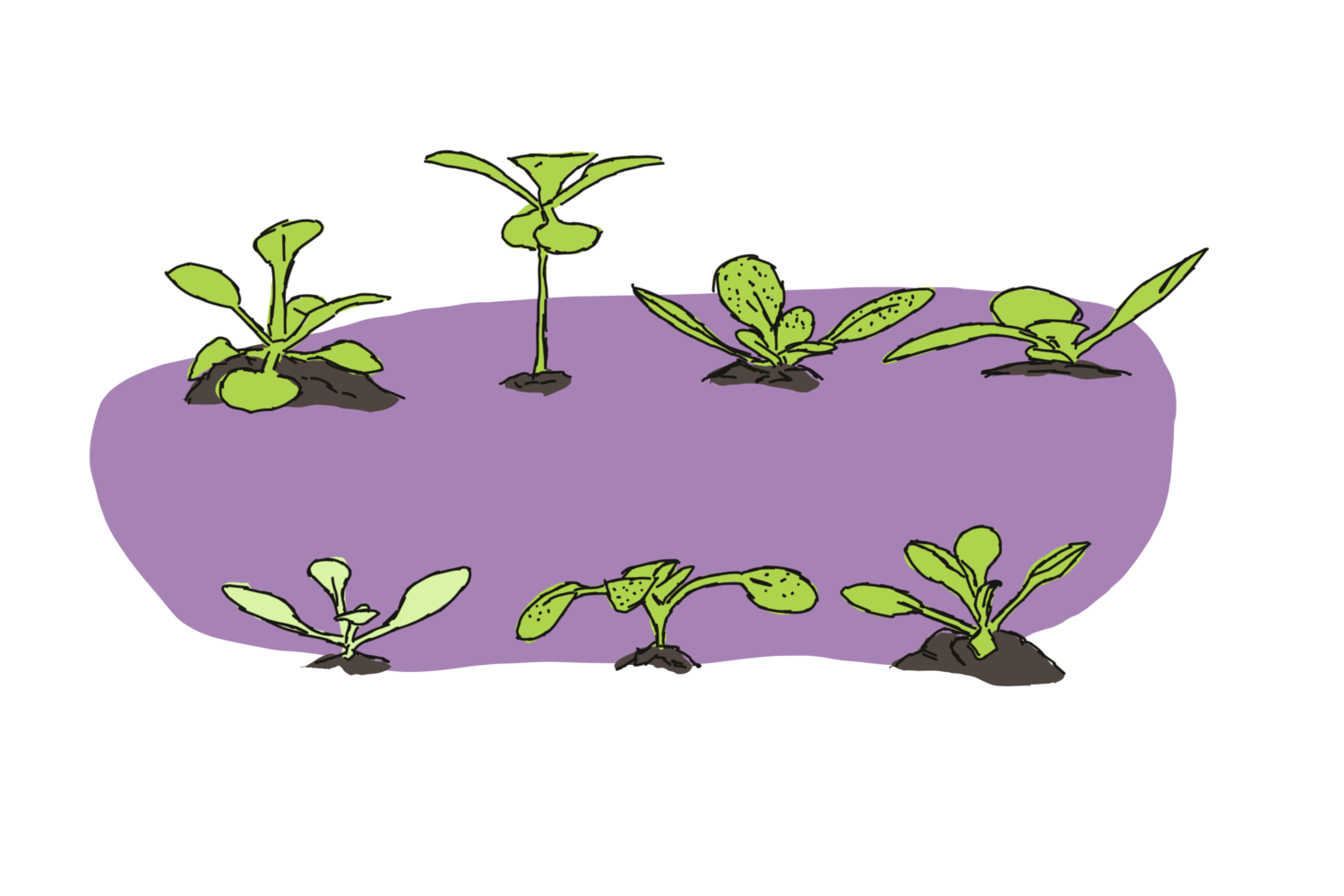
There’s no such thing as ‘the’ Arabidopsis genome
Reading Time: 3 minutesIn the year 2000, the first complete nuclear genome of a plant species – Arabidopsis thaliana – was released into the wild (a.k.a to bunch of salivating scientists). Less than twenty years later, we had a total of 1135 genomes… for Arabidopsis alone! Today we’re talking about Arabidopsis ‘races’, and how they…
-
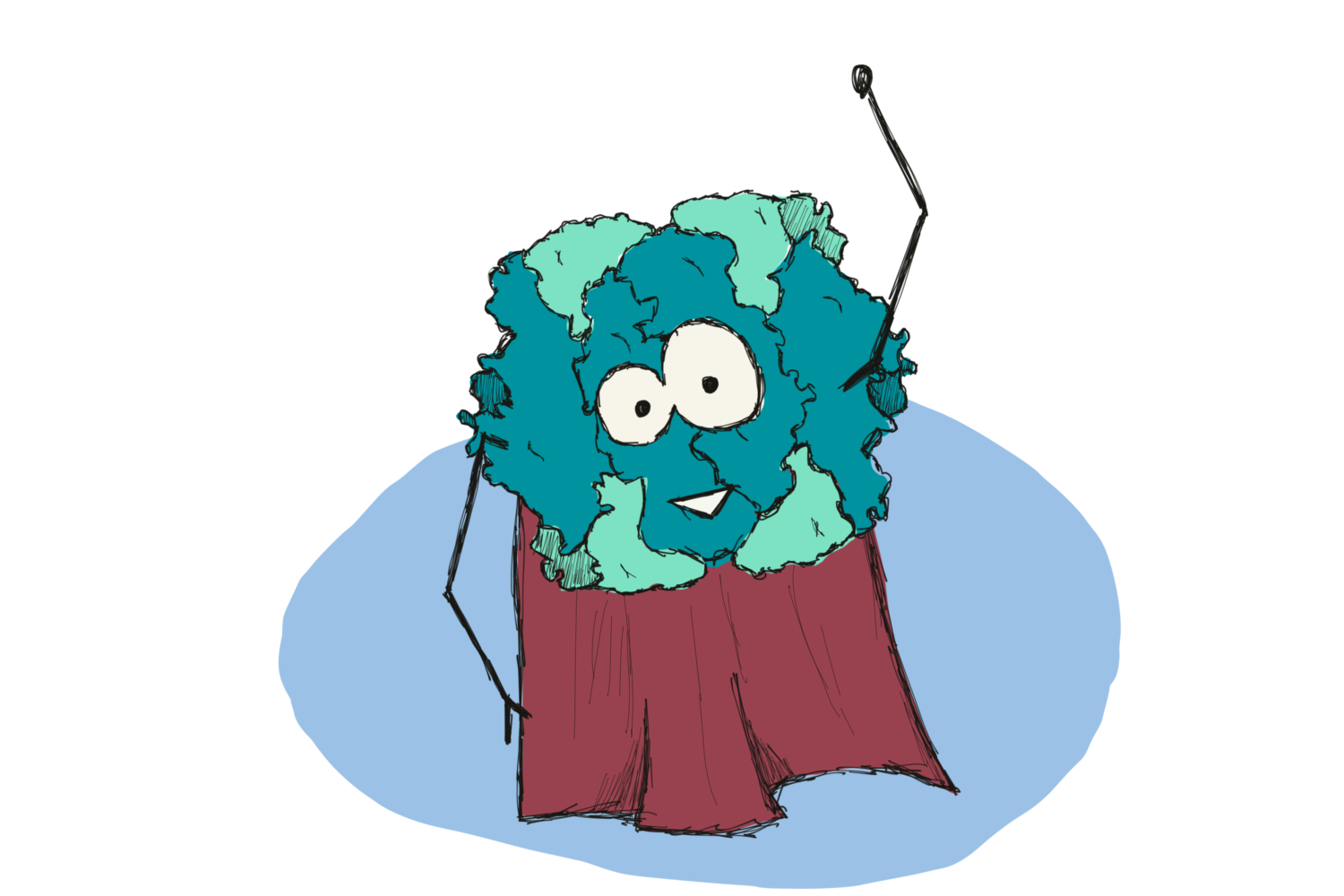
RuBisCO: Room for Improvement?
Reading Time: 5 minutesWelcome to the final instalment of our three part series on RuBisCO. Today, we discuss three key ideas and attempts to improve RuBisCO… or at least to more efficiently clean up its mess.
-
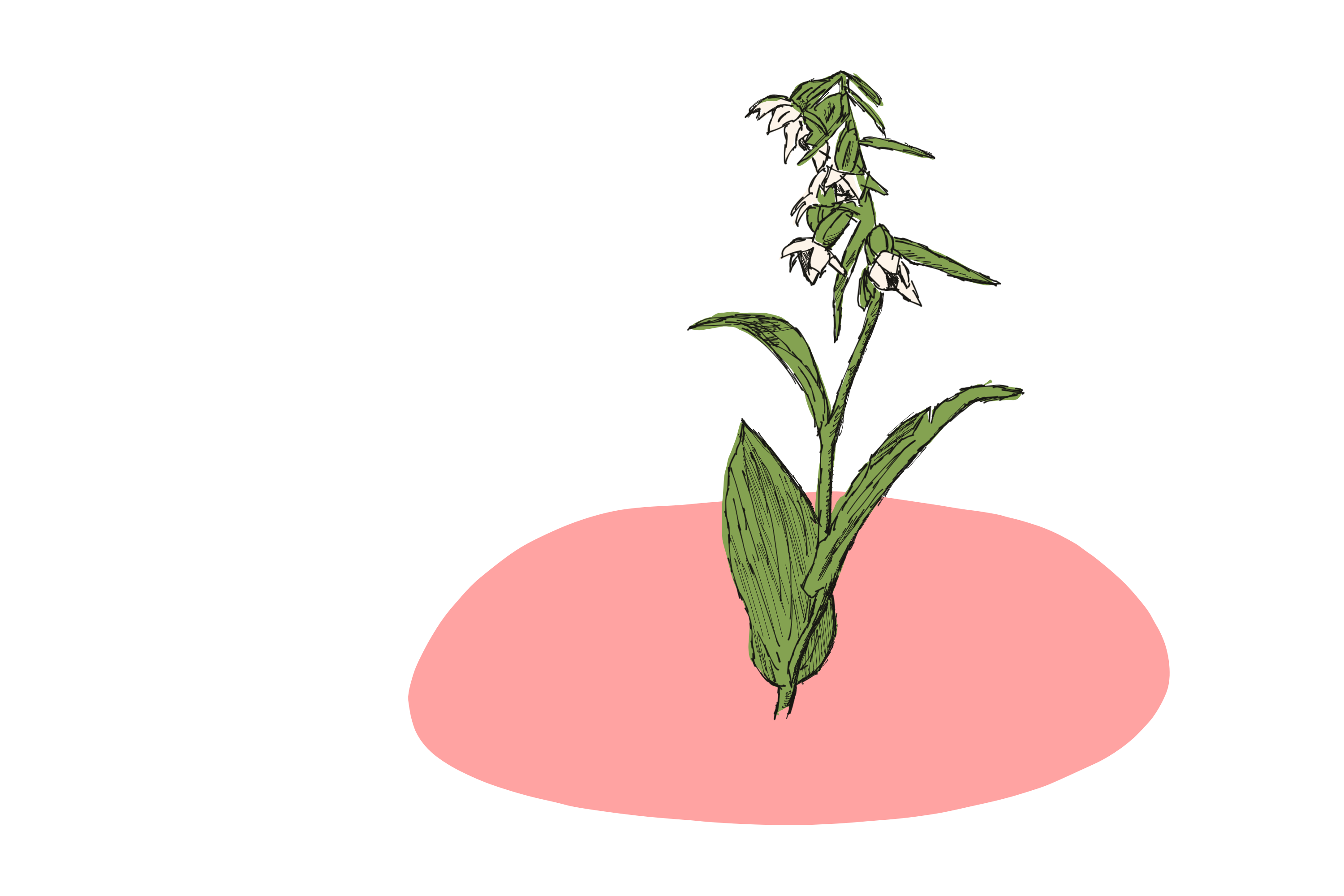
Mushroom Diet: The Orchids who give up Photosynthesis
Reading Time: 4 minutesWhen we think of plants we tend to make certain assumptions. Green, for starters. Photosynthesising, for sure. But some plants have decided to throw it all away, and act like the animals do. Meet Epipactis helleborine, an orchid species that sometimes lives entirely on a diet of mushrooms.
-
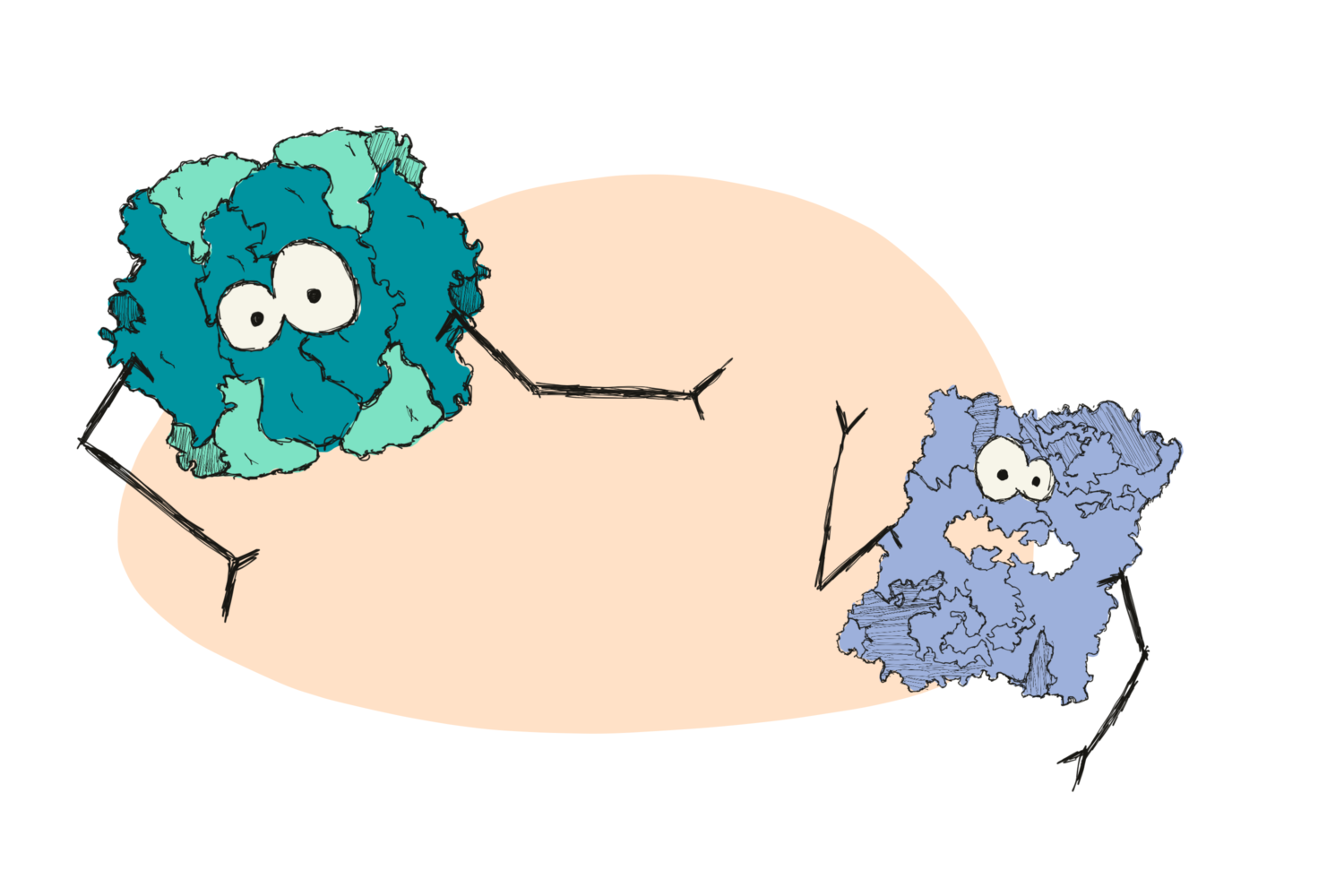
PEPC is the new RuBisCOla
Reading Time: 4 minutesLast week, we discussed how RuBisCO, although incredible and amazing…is also a little bit terrible at its job. Today we’re introducing a couple of cheats that plants have found to work around RuBisCO’s issues, and what this might mean for the future of food and fuel for humankind.
-
Simple Things* #8
Reading Time: 2 minutesIf you want to study a certain bit of parents’ information you often first have to make more of that parents’ information – from one or several pieces, to several tens of hundreds or hundreds of hundreds of hundreds of pieces. The information is stored on two long pieces that are sticking…
-
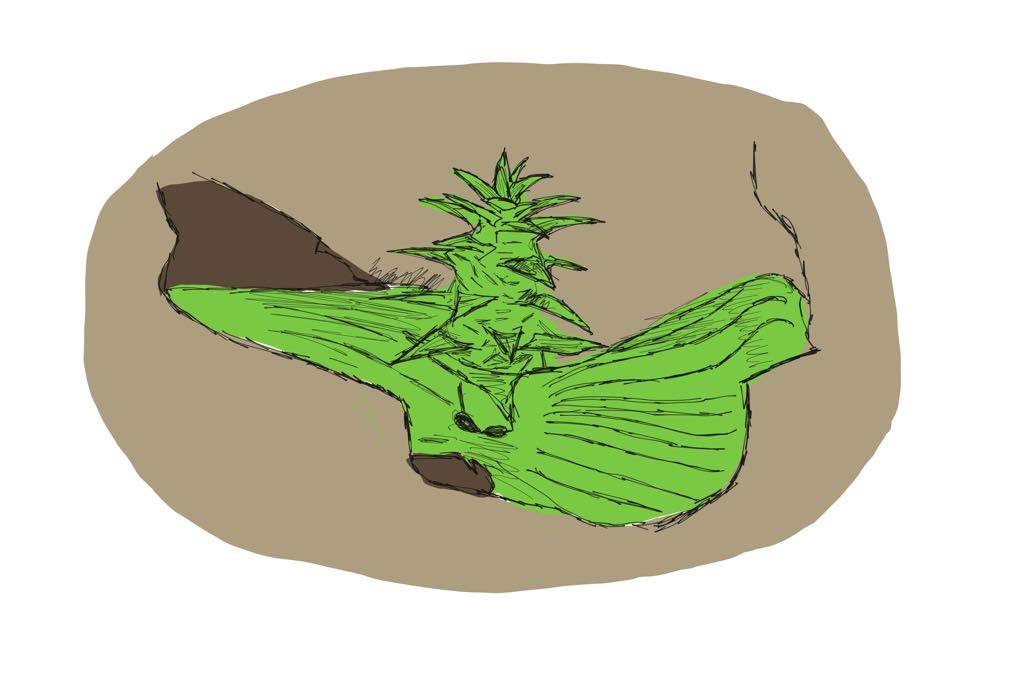
Pagoda lily: the birds, the bees and… the mice???
Reading Time: 2 minutesThis week on the podcast, Joram is introducing his new favourite plant, the Pagoda lily or Whiteheadia bifolia, which has been shown in a study to be pollinated by the Namaqua Rock Mouse.
-

The Greatest Protein on Earth
Reading Time: 4 minutesRuBisCO is probably the most abundant protein complex on the planet. It’s a major player in photosynthesis: responsible for taking carbon dioxide and fixing it into a human-consumable carbon source (sugars!), and in doing so helping to make the oxygen we breathe, and helping our plant friends grow. So RuBisCO is at…
-

Pennycress: Arabidopsis’ ‘cooler’ cousin
Reading Time: 4 minutesBefore last week, I had never heard of pennycress. It’s a relative of our beloved Arabidopsis, that up until now has been firmly relegated to the category of ‘weed’. But its oily seeds, its ability to withstand extreme cold, and the possible ease at which it can be genetically manipulated, just might…
-
Simple Things #7
Reading Time: 2 minutesIn which we use Randall Munroe’s ‘simple writer‘ to explain plant-and-pipette topics. Can you guess what they are? Monroe’s ‘simple writer’ limits language use to only the 10 hundred most common words in the English language. So the word ‘chloroplast’ is out. But so is ‘duck’, ‘cuddle’, and ‘explosion’. We’ve tried to…
-

Finding fields of ‘plenty’
Reading Time: 3 minutesAs a scientist who occasionally has to remember the names of genes and proteins, I’m always happy when other researchers come up with something both cute and logical. Enter the protein ‘PLENTY’.
-
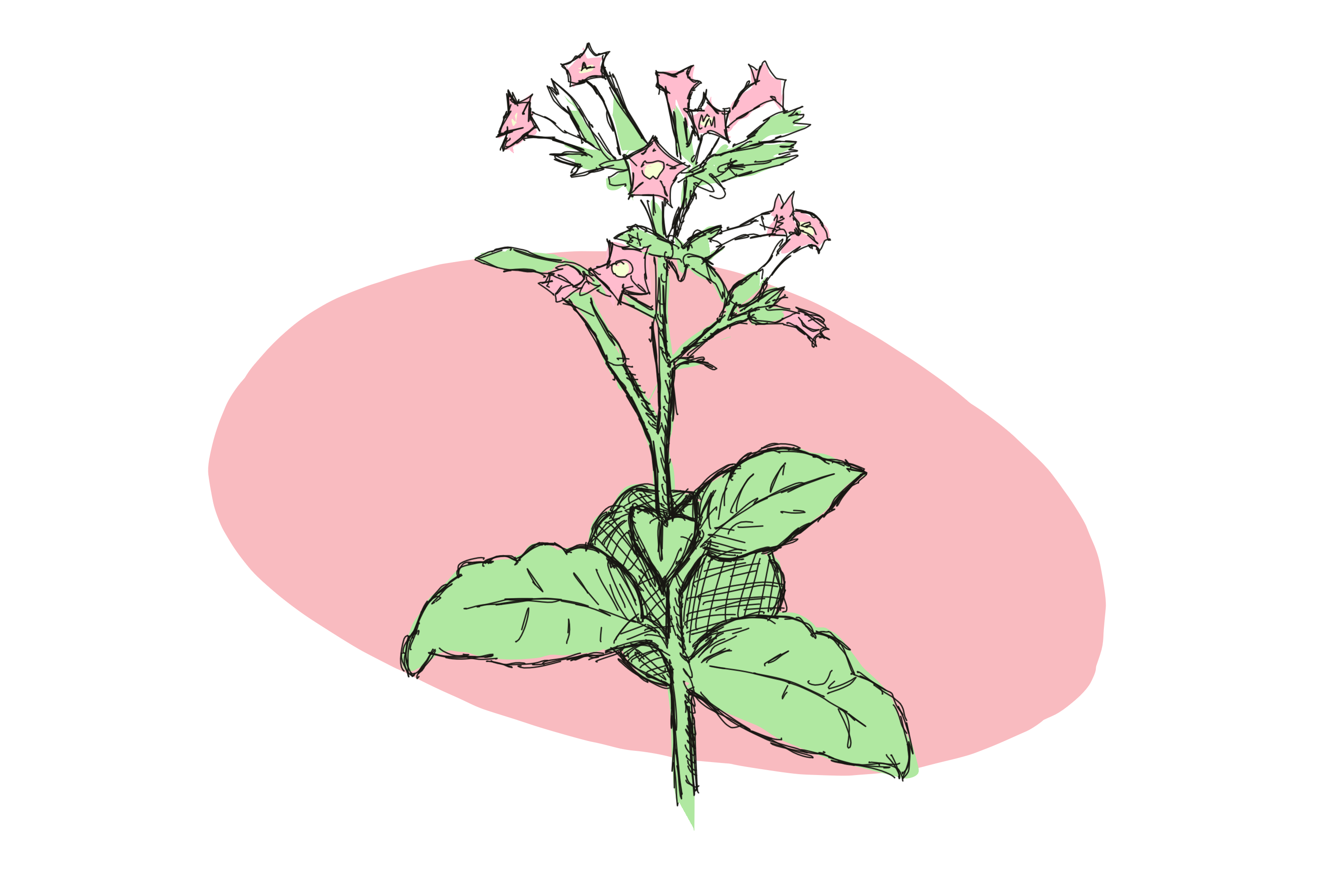
Lab Rats Part II: the ‘Cinderella’ plant
Reading Time: 4 minutesWhen studying human disease or development, scientists usually don’t start experiments directly with good old Homo sapiens, but instead begin their quest using cell lines, fruit flies, or even mice. In the plant field things are similar. And although our model organisms aren’t quite as fluffy as your standard ‘lab rat’, the…
-
The Sound of Plants and Pipettes
Reading Time: < 1 minuteHave you ever wondered what the people behind Plant and Pipettes sound like? Well, you’re in for a treat: we just published our first podcast!
-
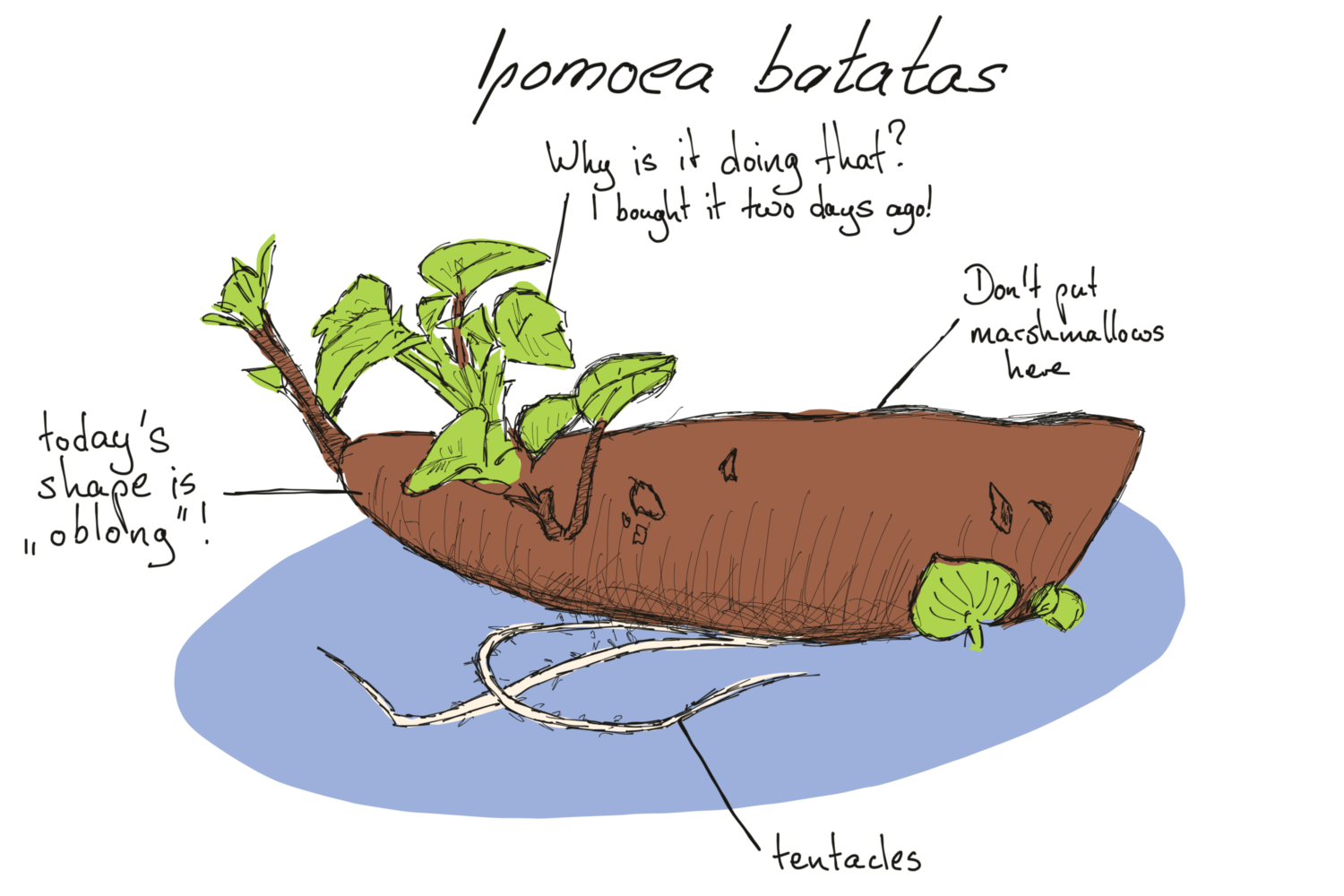
#UnscienceaPlant
Reading Time: 3 minutesAt the end of January a twitter trend made its way to us and we could not resist joining in on the fun. Let’s unscience all the plants!